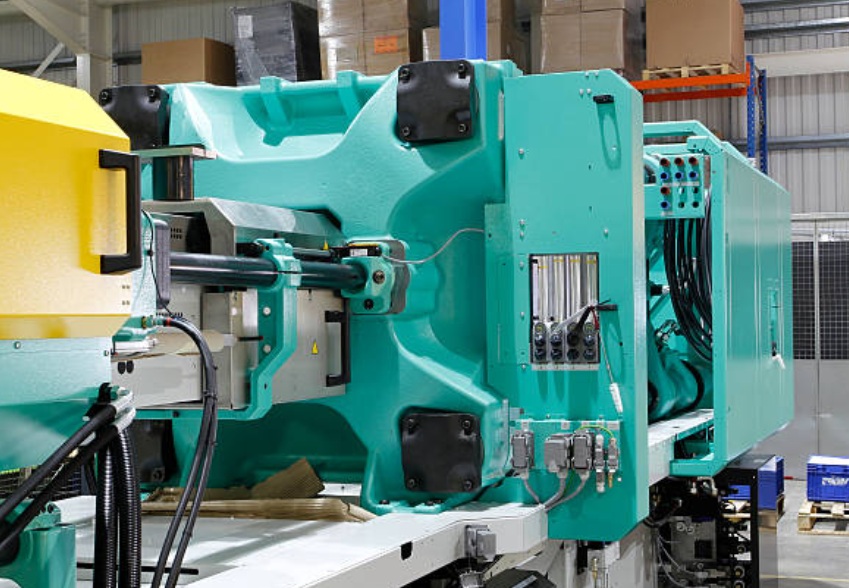
Die vielseitigen Einsatzgebiete von Spritzgussmaschinen

Spritzgussmaschinen sind unverzichtbare Werkzeuge in der modernen Fertigungstechnik. Sie ermöglichen die präzise Herstellung von Kunststoffteilen in großen Stückzahlen und sind in zahlreichen Branchen im Einsatz. Für Unternehmen, die sich mit der Kunststoffverarbeitung beschäftigen, bietet die Website frenztechnik.de wertvolle Ressourcen und Informationen zu den neuesten Technologien und Trends in diesem Bereich. Doch welche Einsatzgebiete decken Spritzgussmaschinen ab? Im Folgenden werden die verschiedenen Anwendungsbereiche und Vorteile dieser Maschinen ausführlich beleuchtet.

1. Automobilindustrie

Die Automobilindustrie ist einer der Hauptabnehmer von Spritzgussmaschinen. Hier werden zahlreiche Bauteile aus Kunststoff gefertigt, um Gewicht und Kosten zu reduzieren. Anwendungen umfassen:

  • Innenausstattungen wie Armaturenbretter und Türverkleidungen
  • Externe Bauteile wie Stoßstangen und Scheinwerfergehäuse
  • Funktionale Komponenten wie Kabelkanäle und Schalter

Die Verwendung von Spritzgussverfahren erlaubt es Herstellern, komplexe Geometrien und hohe Oberflächenqualitäten zu erzielen, was sowohl ästhetischen als auch funktionalen Anforderungen gerecht wird.

2. Elektroindustrie

Ein weiteres wichtiges Einsatzgebiet der Spritzgussmaschinen ist die Elektroindustrie. Hier werden Gehäuse für elektronische Geräte, Schalttafeln und andere Komponenten produziert. Zu den Vorteilen zählen:

  • Hohe Präzision bei der Fertigung komplexer Teile
  • Energieeffizienz durch automatisierte Prozesse
  • Leichte Materialien, die die Gesamtgewicht des Produkts reduzieren

In der Elektroindustrie spielen robustere Materialien eine entscheidende Rolle, insbesondere wenn es um Isolierung und Brandschutz geht.

3. Verpackungsindustrie

Die Verpackungsindustrie profitiert in hohem Maße von Spritzgussmaschinen. Sie ermöglichen die Herstellung von:

  • Kunststoffbehältern und -verpackungen
  • Deckeln und Verschlüssen
  • Trennwänden und Einsätzen für den Transport

Durch den Einsatz dieser Maschinen können Unternehmen nicht nur die Effizienz steigern, sondern auch ihre Produktionskosten senken.

4. Medizintechnik

In der Medizintechnik kommen Spritzgussmaschinen ebenfalls häufig zum Einsatz. Die Anforderungen sind hier besonders hoch, da Produkte sterile Bedingungen und höchste Präzision erfordern. Typische Anwendungen sind:

  • Einweggeräte wie Spritzen und Kanülen
  • Gehäuse für medizinische Geräte
  • Komponenten für Laborausrüstung

Die Möglichkeit, hygienische und biokompatible Kunststoffe zu verwenden, macht Spritzgussverfahren besonders geeignet für diese Branche.

5. Möbel- und Haushaltswaren

Im Bereich Möbel und Haushaltswaren finden Spritzgussmaschinen ebenfalls Anwendung. Sie werden zur Produktion von:

  • Kunststoffmöbeln, Sitzgelegenheiten und Tischen
  • Haushaltsgegenständen wie Schalen, Behältern und Aufbewahrungslösungen
  • Dekorative Elementen und Zubehör

Hier ermöglicht der Einsatz von Spritzgussmaschinen nicht nur eine rationelle Massenproduktion, sondern auch eine kreative Gestaltung.

Die Zukunft der Spritzgussmaschinen

Spritzgussmaschinen sind durchaus vielseitig und ihre Anwendungsmöglichkeiten sind nahezu unbegrenzt. Mit der fortschreitenden Entwicklung von Technologien wie 3D-Druck und neuen Materialien erleben wir eine kontinuierliche Evolution in diesem Bereich. Innovative Lösungen zur Energieeinsparung und die Integration von Smart-Technologien werden voraussichtlich die Effizienz und Flexibilität der Maschinen erhöhen.

Die Anpassungsfähigkeit von Spritzgussmaschinen wird es ihnen ermöglichen, auch in Zukunft eine zentrale Rolle in der Fertigungstechnik zu spielen. Unternehmen werden weiterhin ihre Produktionsprozesse optimieren und auf die steigenden Anforderungen des Marktes reagieren, sodass die Relevanz dieser Maschinen nicht nur bestehen bleibt, sondern künftig sogar noch wachsen wird.

Everything You Need to Know About Industrial Imaging Systems

In the modern industrial landscape, technological advancements are revolutionizing how industries function, and imaging systems play a crucial role in this transformation. By providing detailed visuals and insights, these systems are literally reshaping industries from manufacturing to quality control. Whether you are an industry insider or a curious technophile, understanding the intricacies of industrial imaging systems can unlock numerous possibilities. In this article, we’ll explore various aspects of industrial imaging systems to help you see more about VA Imaging, uses, and the future they hold.

What Are Industrial Imaging Systems?

Industrial imaging systems are sophisticated technologies designed to capture, analyze, and process visual information from various industrial environments. These systems employ advanced cameras, sensors, and software to convert captured images into actionable data. Industries ranging from automotive to pharmaceuticals utilize such systems for purposes like defect detection, product inspection, and automation.

Key Components of Industrial Imaging Systems

Understanding the components of these systems is vital to appreciate their functionality:

  • Cameras: The core of any imaging system, cameras range from simple two-dimensional ones to complex 3D models designed to capture intricate details.
  • Sensors: These detect and convert light into electronic signals, forming the basis of image acquisition.
  • Software: Algorithms analyze and interpret images, providing actionable data while improving accuracy and efficiency.
  • Lighting: Proper illumination is crucial for capturing clear and precise images, often involving sophisticated lighting setups.

Applications Across Industries

Industrial imaging systems serve a multitude of purposes across different sectors. Here are some significant applications:

  1. Quality Control: Ensures products meet set standards by identifying defects and inconsistencies.
  2. Automation: Facilitates robotic systems in performing tasks with precision and reduces human intervention.
  3. Logistics: Enhances the tracking and monitoring of goods, optimizing supply chains.
  4. Research and Development: Assists in material analysis and testing, thus fostering innovation.

The Role of Machine Vision

Machine vision is an integral part of industrial imaging systems. It combines imaging hardware and intelligent software to mimic human vision’s capabilities, but with greater speed and accuracy. By enabling real-time processing and decision-making, machine vision is instrumental in increasing efficiency and reducing errors within industrial processes.

Benefits of Implementing Imaging Systems

The advantages of adopting industrial imaging systems are significant and multifaceted:

  • Enhanced Accuracy: Reduces human error and increases the precision of inspections.
  • Cost Efficiency: By detecting defects early, these systems help save resources and reduce waste.
  • Scalability: Easily adapts to varying scales of operations.
  • Data Insights: Generates detailed data analyses to aid in strategic decision-making.

Challenges and Considerations

While these systems are powerful, they do come with challenges:

  • Cost: Initial setup and maintenance can be expensive.
  • Complexity: Requires skilled personnel for operation and troubleshooting.
  • Data Handling: Managing the vast amount of data generated can be overwhelming without the right infrastructure.

The Future of Industrial Imaging

As technology continues to advance, the future of industrial imaging systems looks bright and promising. Innovations like artificial intelligence and the Internet of Things (IoT) are poised to push these systems’ functionalities beyond their current limits. They literally promise to bring unimaginable precision and automation levels to industries worldwide, ensuring continued growth and efficiency.

In conclusion, industrial imaging systems are at the forefront of technological innovation, providing unparalleled benefits across multiple sectors. By integrating these systems into their operations, industries can look forward to not only enhanced performance but also the promise of maintaining competitiveness in an increasingly tech-driven marketplace.