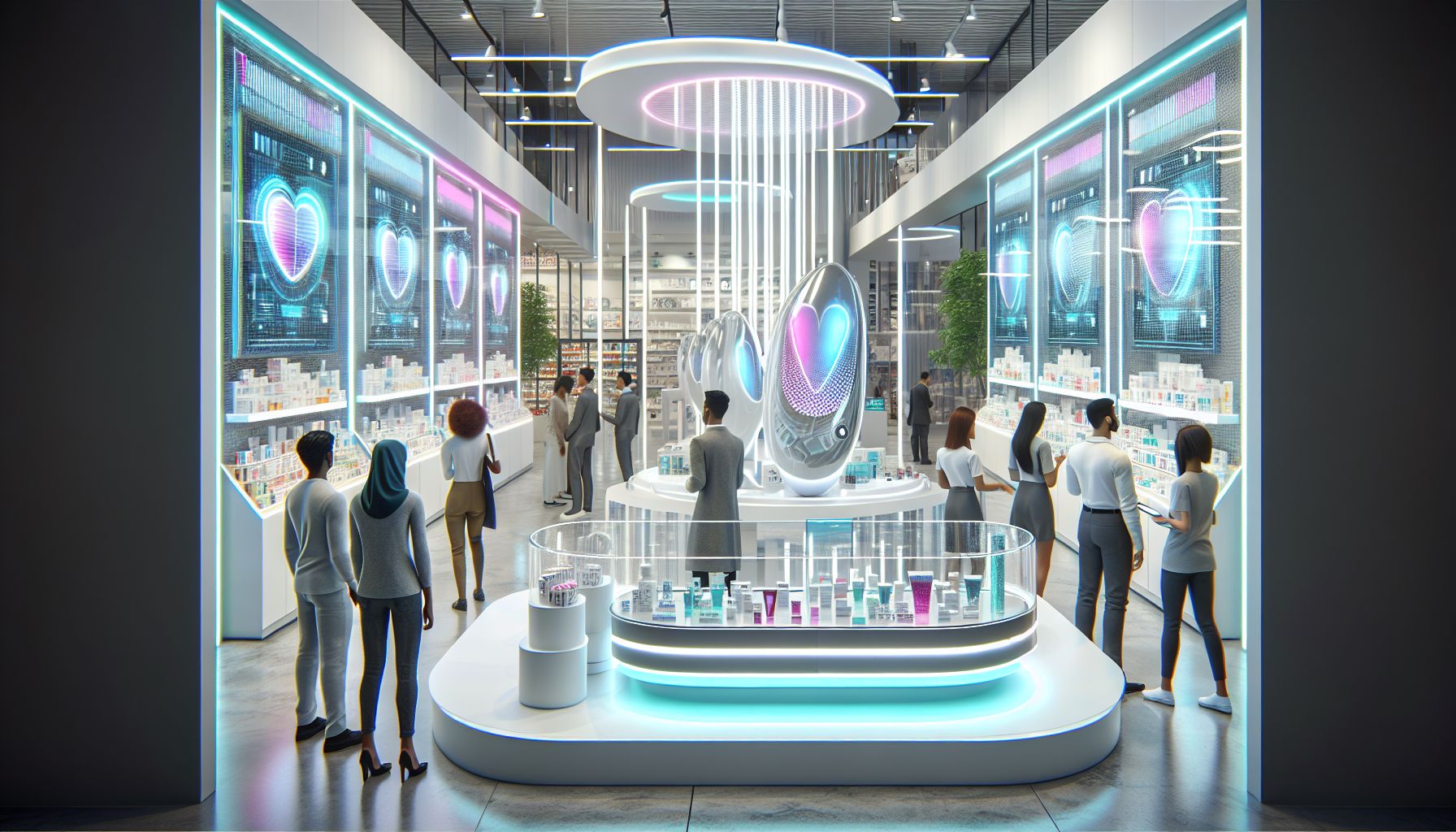
As technology continues to advance, there has been a surge in the development of medical products specifically targeted towards the younger generation. These products aim to not only treat health issues that are prevalent among young people, but also cater to the millennial and Gen Z preferences for convenience, accessibility, and digital integration.
One key area where this trend is evident is in the realm of mental health. Studies have shown that mental health issues are on the rise among young adults, with factors such as social media, academic pressure, and economic uncertainty contributing to the increase in conditions like anxiety and depression. As a result, there has been a growing demand for digital mental health tools that can provide immediate support to those in need. Apps like Talkspace and Calm have gained popularity for offering therapy and meditation services that can be accessed from the comfort of one’s own home.
Another area where medical products for the younger generation have made an impact is in the realm of sexual health. With the rise of dating apps and the normalization of casual sex, young adults are more at risk for sexually transmitted infections than ever before. In response to this, companies like Nurx and Planned Parenthood have developed telemedicine platforms that allow individuals to order STI test kits online and consult with healthcare providers remotely. These services not only make it easier for young people to take control of their sexual health, but also reduce the stigma and barriers associated with traditional healthcare settings.
Additionally, the younger generation has shown a preference for products that are eco-friendly and sustainable. This has led to the rise of companies like Who Gives A Crap, which produces environmentally friendly toilet paper and donates a portion of its profits to sanitation projects in developing countries. Similarly, brands like Dadi offer at-home sperm testing kits that allow men to assess their fertility without the need for wasteful and expensive clinic visits.
Overall, the increasing popularity of medical products targeted towards the younger generation reflects a shift in the healthcare industry towards more personalized and user-friendly solutions. By leveraging technology and aligning with the values of millennials and Gen Z, these products are not only meeting the unique needs of young adults, but also helping to bridge the gap between traditional healthcare and the preferences of a new generation.
In conclusion, the development of medical products for the younger generation represents an exciting opportunity to revolutionize the way healthcare is delivered and consumed. By prioritizing accessibility, convenience, and sustainability, these products are not only addressing the specific health concerns of young people, but also paving the way for a more patient-centric and inclusive healthcare system. As the needs and preferences of the younger generation continue to evolve, it will be important for the healthcare industry to adapt and innovate in order to meet the changing demands of a new era.