As the younger generation grows up, it is important to prioritize their health and well-being. Fortunately, there are a wide array of medical products available today that cater specifically to the needs of the younger generation. These products not only address common health issues faced by young people but also make healthcare more accessible and convenient. In this blog post, we will explore some of the best medical products for the younger generation.
1. Fitness Trackers
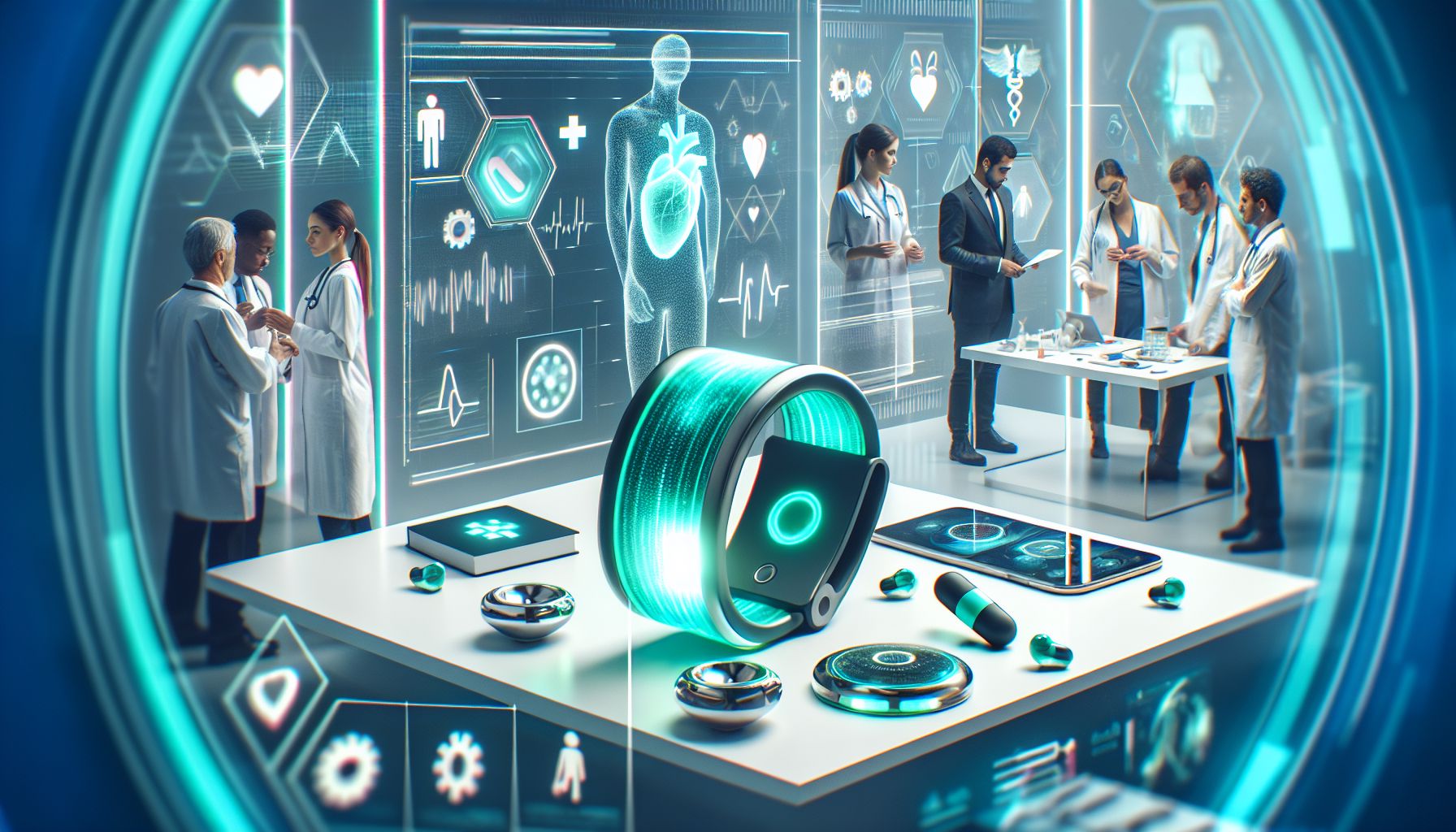
With the rise of technology, fitness trackers have become increasingly popular among young people. These wearable devices not only track steps and calories burned but also monitor heart rate, sleep patterns, and even provide guided breathing exercises. Fitness trackers can help motivate the younger generation to stay active and make healthier lifestyle choices.
2. Acne Treatment Systems
Acne is a common skin issue that affects many young people. Acne treatment systems can help combat breakouts, reduce inflammation, and prevent future acne. Some treatment systems even incorporate advanced technology, such as light therapy, to target acne-causing bacteria. These products provide a convenient and effective way for young individuals to achieve clearer skin.
3. Period Tracking Apps
Period tracking apps have revolutionized the way young women manage their menstrual cycles. These apps allow users to track their periods, ovulation, and fertility windows, enabling better reproductive health management. They can also provide helpful reminders and personalized insights to help navigate through the hormonal changes and symptoms associated with menstruation.
4. Mental Health Apps
Mental health is a crucial aspect of overall well-being, particularly for the younger generation facing increased stress and pressure in their lives. Mental health apps offer a variety of features, such as guided meditation, stress management techniques, and cognitive behavioral therapy exercises. These apps empower young people to take control of their mental health, providing support anytime, anywhere.
5. Allergy Relief Devices
Allergies are a common concern among the younger generation, and allergy relief devices have greatly improved in recent years. These devices use innovative technology, like air filters and ionizers, to remove allergens from the environment and alleviate symptoms. Portable allergy relief devices allow young individuals to create a safe and allergy-free space wherever they go.
In conclusion, the younger generation now has access to a variety of innovative medical products designed to address their specific health needs. From fitness trackers to mental health apps and allergy relief devices, these products enable young people to take charge of their well-being. By embracing these advancements, the younger generation can lead healthier lives and prioritize their health with greater convenience and ease. It’s essential for young individuals to utilize and benefit from these medical products, ensuring a brighter and healthier future.