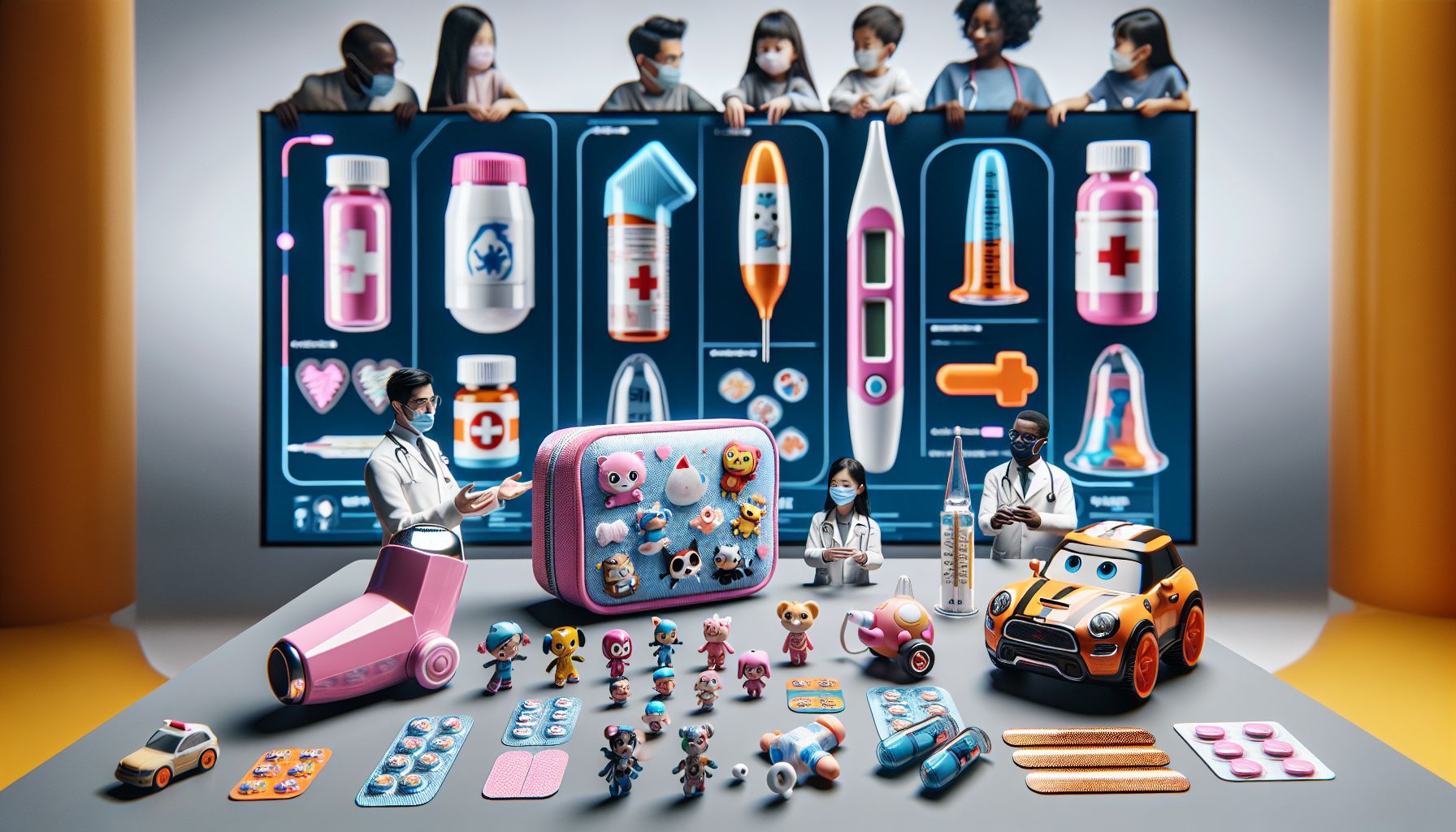
Medical Products for the Younger Generation: Embracing Technological Innovations in Healthcare

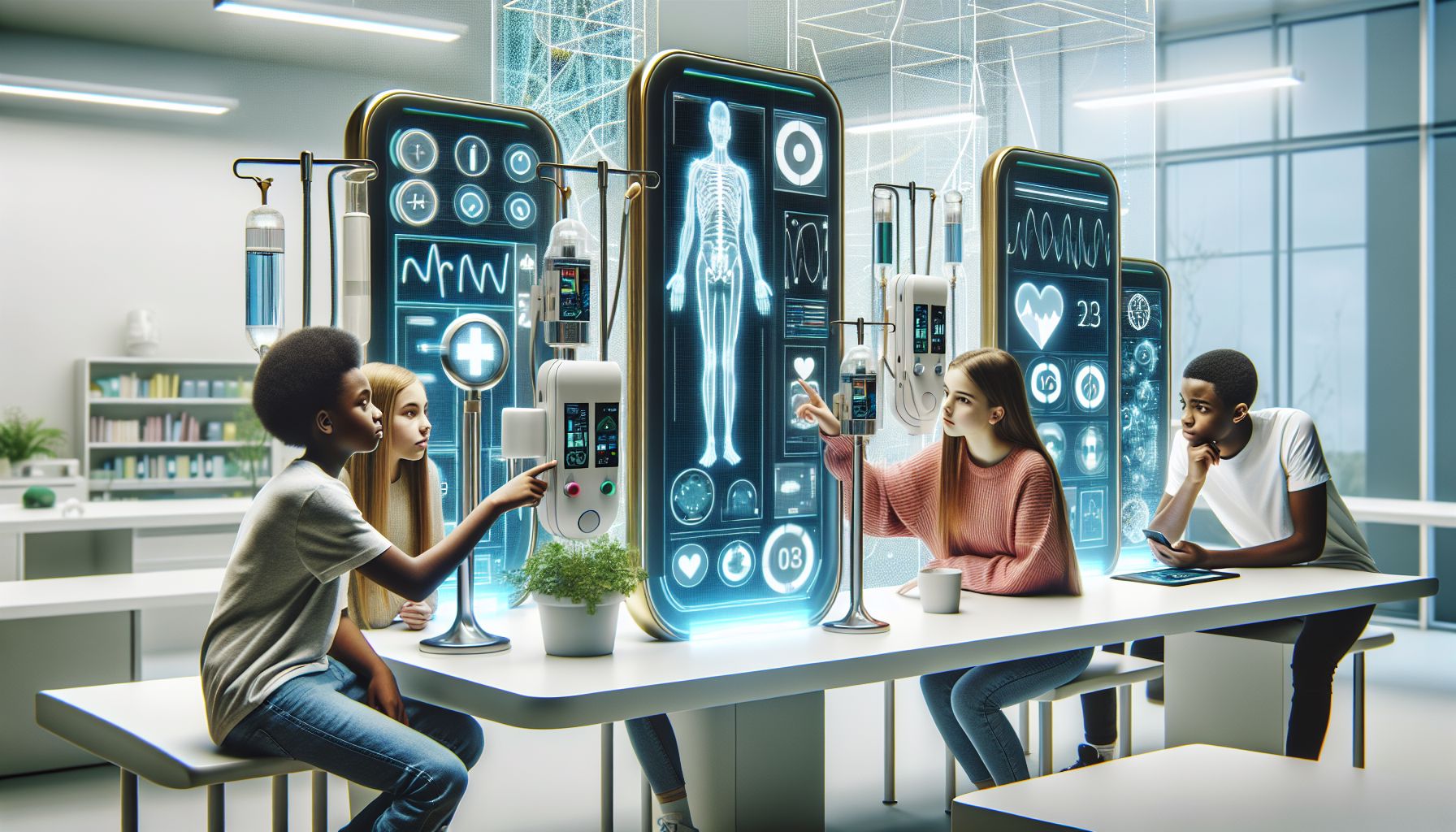
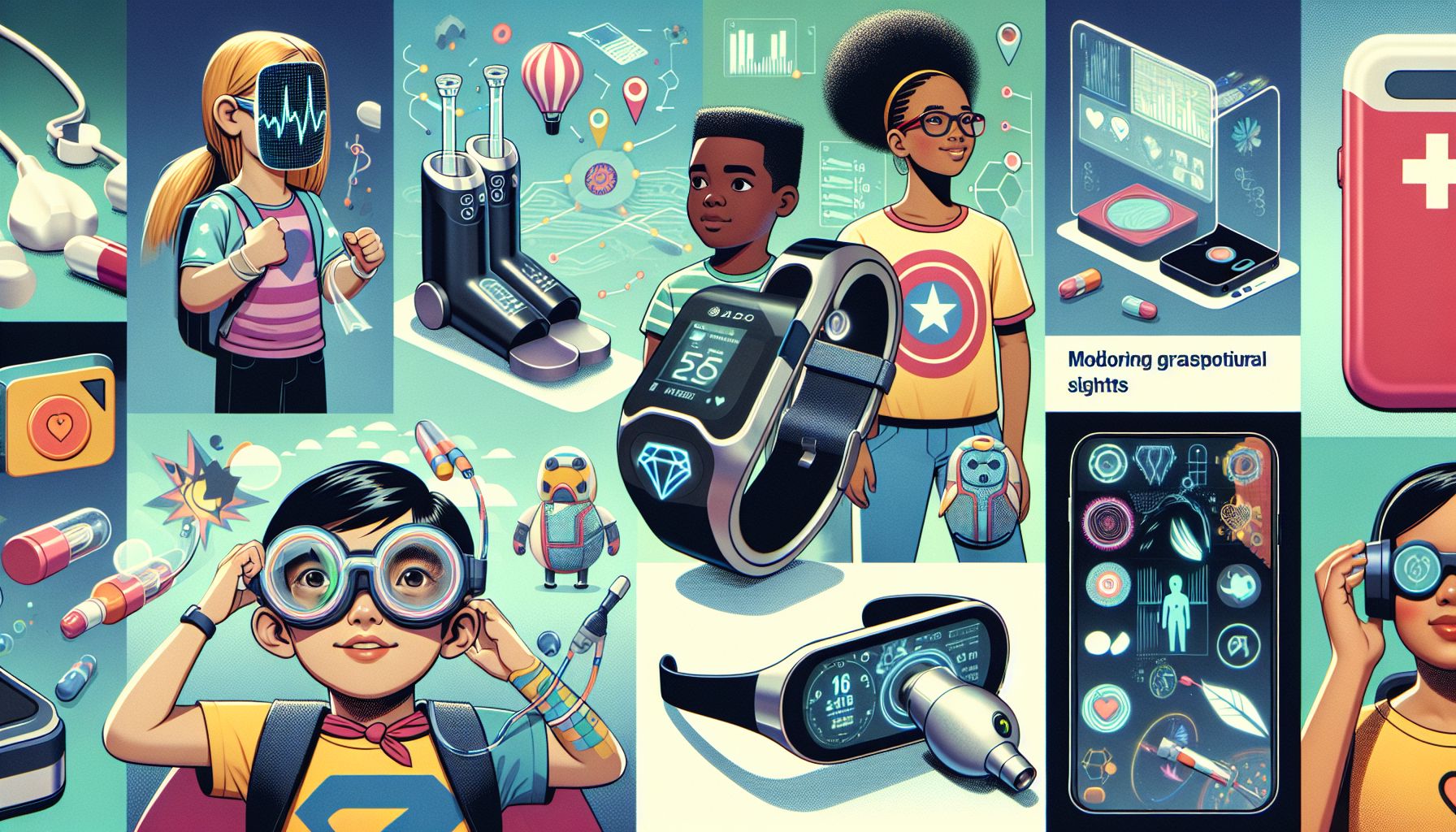
In today’s fast-paced world, technology has infiltrated every aspect of our lives, transforming the way we live, work, and play. The healthcare industry is no exception, with a myriad of medical products specifically designed for the younger generation. From smartwatches that monitor vital signs to mobile apps that provide mental health support, these innovations bridge the gap between millennials and their healthcare needs. Let’s explore the technological advancements that are revolutionizing healthcare for the younger generation.

1. Smartwatches for Health Monitoring

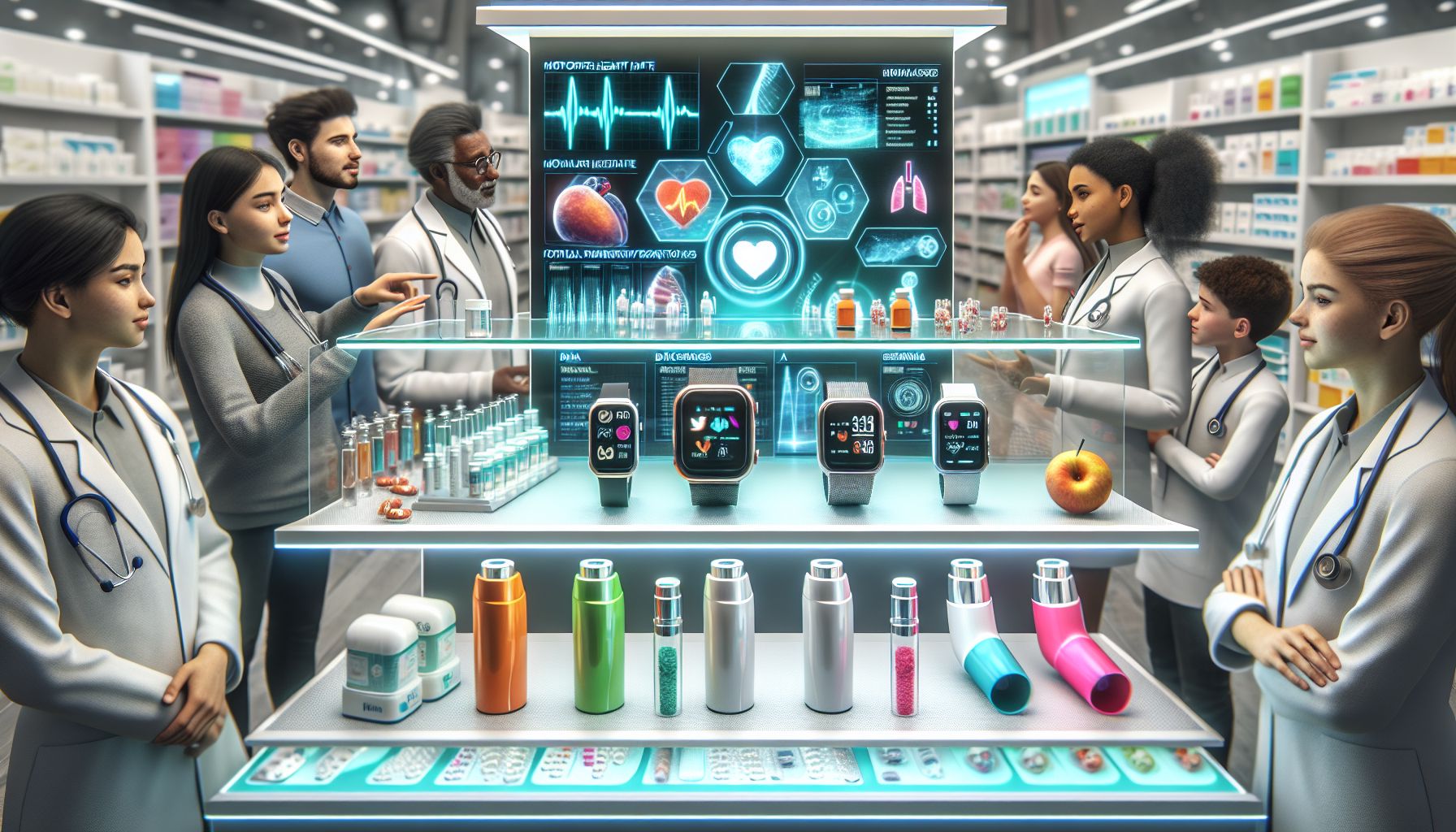
Gone are the days when watches could merely tell time. The advent of smartwatches has given rise to a new era of health monitoring. With features like heart rate tracking, sleep analysis, and step counting, these devices allow young individuals to have a deeper insight into their overall well-being. Additionally, smartwatches can even detect irregular heart rhythms, providing invaluable information for early intervention and prevention of potentially serious health conditions.

2. Mobile Apps for Mental Health Support

Mental health is a pressing concern for the younger generation, and digital tools are becoming invaluable in addressing this issue. Mobile apps such as Calm, Headspace, and Talkspace offer meditation exercises, therapy sessions, and stress management techniques right at the fingertips of young individuals. These apps create a supportive environment, helping users cope with stress, anxiety, and depression in a convenient and accessible manner.

3. Virtual Reality for Pain Management

Virtual Reality (VR) is not limited to just gaming and entertainment. VR has found its place in healthcare, particularly in pain management. With immersive experiences that transport users to serene landscapes or engaging activities, VR distracts patients from their pain, reducing the need for traditional medications. This technology has shown immense potential in alleviating pain during medical procedures, making it a game-changer for the younger generation who may fear needles or surgery.

4. Wearable ECG Monitors

Electrocardiogram (ECG) devices have become more portable and user-friendly than ever before. Wearable ECG monitors, often resembling a patch or chest strap, allow young individuals to monitor their heart’s electrical activities effortlessly. This helps in detecting irregular heart rhythms, providing valuable data for healthcare professionals to analyze and take appropriate actions. By empowering the younger generation to take control of their cardiovascular health, wearable ECG monitors play a significant role in maintaining overall well-being.

Conclusion

The younger generation is beginning to embrace technological innovations that cater to their healthcare needs. Smartwatches, mobile apps, virtual reality, and wearable ECG monitors are just a few examples of medical products that have revolutionized healthcare for millennials. These innovations not only empower young individuals to take control of their well-being but also bridge the gap between their digital lifestyle and healthcare requirements. As these technologies continue to evolve, the younger generation can expect a future where healthcare becomes even more personalized, convenient, and accessible.

The Future of Medical Products: Meeting the Needs of the Younger Generation

In recent years, there has been a significant shift in the way medical products are designed and targeted towards the younger generation. With advancing technology and changing healthcare needs, medical companies are stepping up their game to cater to the specific demands and preferences of this tech-savvy and health-conscious demographic. Today, we will explore how medical products tailored to the younger generation are revolutionizing the healthcare industry, paving the way for a healthier and more connected future.

Meeting the Unique Needs

Younger people often have different healthcare needs compared to older generations. From mental health to sexual health and beyond, the younger demographic faces a unique set of challenges that require specialized medical products. Companies are taking note of this and investing in research and development to offer innovative solutions that address these specific issues.

Digital Revolution in Healthcare

Technology plays an essential role in the lives of younger individuals, and medical companies are embracing this digital revolution. From wearable fitness trackers to mobile health apps, there is an array of products available to help millennials and Gen Z take control of their health. These products not only monitor key health indicators but also provide personalized insights and recommendations for improved daily habits, making healthcare more accessible and engaging for the younger generation.

Focus on Prevention and Wellness

Unlike previous generations, younger people prioritize a proactive approach to healthcare, emphasizing prevention and wellness. This shift in mindset has driven the development of medical products that make it easier for young individuals to monitor their well-being and make informed decisions about their health. From smart water bottles that remind you to stay hydrated to self-care apps that encourage healthy habits, these products promote a holistic and proactive approach to maintaining good health.

Mental Health Support

Mental health is a pressing issue for the younger generation, and medical companies are taking notice. They are developing products that help individuals manage stress, anxiety, and other mental health conditions with effective and convenient solutions. Mobile apps offering guided meditation, online therapy platforms, and even virtual reality applications for exposure therapy are just a few examples of how medical products are stepping up to address the mental health needs of the younger demographic.

Conclusion

As the younger generation becomes increasingly mindful of their health and well-being, the demand for medical products tailored to their needs continues to rise. The integration of technology and healthcare has revolutionized the way younger individuals approach and manage their health, offering personalized solutions and promoting proactive self-care. From wearable devices to digital platforms, medical products are evolving to meet the preferences of this tech-savvy and health-conscious demographic. With continued advancements, the future looks bright for medical products that cater to the younger generation, enabling them to lead healthier and more fulfilling lives.

The Future of Healthcare: Medical Products for the Younger Generation

In today’s rapidly advancing world, it is not surprising that healthcare is also evolving at an exponential rate. With technology revolutionizing every aspect of our lives, it is only natural that medical products are also embracing innovation. This is especially true when it comes to catering to the health needs of the younger generation. In this blog post, we explore some of the incredible medical products designed specifically for the younger generation.

Introduction

Health issues among the younger population are on the rise due to changing lifestyles, increased stress levels, and sedentary habits. To address these concerns effectively, medical companies are developing cutting-edge products that integrate technology seamlessly into healthcare. These products not only aim to prevent health issues but also empower the younger generation to take control of their own well-being.

Body

  1. Smart Wearables: With the rise of fitness trackers, smartwatches, and other wearables, monitoring our health has never been easier. These devices track our heart rate, sleep patterns, calories burned, and much more. For younger individuals, smart wearables provide an interactive and engaging way to stay active and maintain a healthy lifestyle. They can serve as a constant reminder to exercise, maintain proper posture, and take breaks from screens, thus reducing the risk of health problems associated with a sedentary lifestyle.

  2. Mental Health Apps: Growing concerns regarding mental health amongst the younger generation have led to the development of various mobile applications specifically designed to address these issues. These apps offer guided mindfulness, meditation exercises, and stress reduction techniques. They also provide a platform for connecting with mental health professionals, making it easier for young adults to seek help and support.

  3. Telemedicine: The younger generation is tech-savvy and prefers convenience in every aspect of their lives, including healthcare. Telemedicine allows patients to consult with doctors and specialists remotely. This is especially beneficial for young adults with busy schedules or limited access to healthcare facilities. Telemedicine ensures prompt medical attention, saves time, and reduces the need for physical visits to hospitals or clinics.

Conclusion

As the younger generation becomes increasingly health-conscious, it is essential for medical products to adapt and cater to their unique needs. Whether it’s smart wearables that motivate physical activity, mental health apps that offer guidance and support, or telemedicine that provides convenient access to healthcare, these products revolutionize the way young people engage with their health. By embracing these innovations, the younger generation can proactively take charge of their well-being, resulting in a healthier and happier future. With medical products tailored to the specific needs of the younger generation, the future of healthcare looks promising indeed.

So, if you belong to the younger generation, explore these incredible medical products and embrace a technology-driven approach to your health. Remember, prevention is always better than cure, and with these innovations, your health is truly in your hands!

Medical Products for the Younger Generation: Catering to Their Needs

The healthcare industry is constantly evolving, and with the rise in health-consciousness, the younger generation is becoming more proactive about their well-being. As a result, there is a growing demand for medical products that cater specifically to the needs of this tech-savvy and health-driven demographic.

Embracing Technology for Health Monitoring

One of the key aspects embraced by the younger generation is the use of technology in their daily lives. From smartphones to wearable devices, they seek convenience and connectivity. This desire for seamless integration extends to the healthcare domain as well.

Medical companies are now developing a wide range of technology-driven products designed to monitor health parameters, helping young individuals take control of their well-being. Devices like smartwatches and fitness trackers are allowing easy tracking of heart rate, sleep patterns, physical activity, and more. These gadgets not only provide real-time data but also encourage a more active lifestyle through friendly competition and personalized goals.

Fostering Mental Well-being

Mental health is another area where the younger generation is increasingly concerned. The fast-paced, digitally influenced world can take a toll on one’s mental well-being. Recognizing this, medical product manufacturers have developed innovative solutions to address these concerns.

Mobile applications dedicated to mental health, such as meditation and mindfulness apps, have gained immense popularity. These apps offer guided meditation sessions, breathing exercises, and stress-relief techniques. By leveraging these apps, the younger generation can find solace in their busy lives and develop coping mechanisms for everyday challenges.

Personalized Nutrition and Supplements

With increased awareness about the importance of a balanced diet, younger individuals are exploring ways to optimize their nutritional intake. For this tech-savvy generation, personalized nutrition and supplements have emerged as effective tools.

Companies are now utilizing genetic testing and other advanced technologies to offer tailored nutritional guidance. By analyzing an individual’s DNA, they provide insights into dietary shortcomings and recommend customized meal plans or supplements. This empowers the younger generation to make informed choices about their diet and achieve their health goals effectively.

Convenience at the Core

When it comes to medical products for the younger generation, convenience is key. Online platforms and e-commerce have revolutionized the way products are purchased and delivered. This has greatly benefited the healthcare industry, enabling easy access to medical products, prescription deliveries, and virtual consultations.

Whether it’s ordering prescription medications through mobile applications or scheduling telehealth appointments, convenience has become an integral part of the healthcare experience for the younger generation. By streamlining access to medical products and services, technology continues to bridge the gap between healthcare and the youth.

In conclusion, the younger generation is pushing the boundaries of healthcare, demanding products and services that align with their tech-centric lifestyles. Medical companies are rising to the challenge, harnessing technology to cater specifically to their needs. With the integration of gadgets for health monitoring, the rise of mental well-being solutions, personalized nutrition, and the convenience of online platforms, the healthcare industry is evolving to empower the younger generation to take control of their health like never before.

The Best Medical Products for the Younger Generation

As the younger generation grows up, it is important to prioritize their health and well-being. Fortunately, there are a wide array of medical products available today that cater specifically to the needs of the younger generation. These products not only address common health issues faced by young people but also make healthcare more accessible and convenient. In this blog post, we will explore some of the best medical products for the younger generation.

1. Fitness Trackers

With the rise of technology, fitness trackers have become increasingly popular among young people. These wearable devices not only track steps and calories burned but also monitor heart rate, sleep patterns, and even provide guided breathing exercises. Fitness trackers can help motivate the younger generation to stay active and make healthier lifestyle choices.

2. Acne Treatment Systems

Acne is a common skin issue that affects many young people. Acne treatment systems can help combat breakouts, reduce inflammation, and prevent future acne. Some treatment systems even incorporate advanced technology, such as light therapy, to target acne-causing bacteria. These products provide a convenient and effective way for young individuals to achieve clearer skin.

3. Period Tracking Apps

Period tracking apps have revolutionized the way young women manage their menstrual cycles. These apps allow users to track their periods, ovulation, and fertility windows, enabling better reproductive health management. They can also provide helpful reminders and personalized insights to help navigate through the hormonal changes and symptoms associated with menstruation.

4. Mental Health Apps

Mental health is a crucial aspect of overall well-being, particularly for the younger generation facing increased stress and pressure in their lives. Mental health apps offer a variety of features, such as guided meditation, stress management techniques, and cognitive behavioral therapy exercises. These apps empower young people to take control of their mental health, providing support anytime, anywhere.

5. Allergy Relief Devices

Allergies are a common concern among the younger generation, and allergy relief devices have greatly improved in recent years. These devices use innovative technology, like air filters and ionizers, to remove allergens from the environment and alleviate symptoms. Portable allergy relief devices allow young individuals to create a safe and allergy-free space wherever they go.

In conclusion, the younger generation now has access to a variety of innovative medical products designed to address their specific health needs. From fitness trackers to mental health apps and allergy relief devices, these products enable young people to take charge of their well-being. By embracing these advancements, the younger generation can lead healthier lives and prioritize their health with greater convenience and ease. It’s essential for young individuals to utilize and benefit from these medical products, ensuring a brighter and healthier future.

Medical Products for the Younger Generation: Bridging the Gap between Technology and Healthcare

The younger generation, also referred to as millennials and Gen Z, has grown up in an era dominated by technological advancements. With their affinity for digital solutions, it’s no surprise that this tech-savvy demographic is increasingly seeking medical products that intersect with their lifestyle choices and preferences. To cater to the needs of the younger generation, the medical industry is embracing technological innovations, making healthcare more accessible, efficient, and tailored to their specific requirements.

Embracing Digital Health

The rise of digital health has played a significant role in providing millennials and Gen Z with medical products and services that align with their preferences. These generations, often characterized as being constantly connected, value the convenience and efficiency that digital platforms offer. Consequently, wearable devices like fitness trackers and smartwatches have gained immense popularity amongst the younger demographic.

These devices not only capture daily physical activity but also monitor sleep patterns, heart rate, and provide invaluable health insights. By integrating seamlessly with mobile apps, these products ensure that individuals have access to real-time data about their body, empowering them to live healthier, more informed lives.

Telemedicine for Enhanced Accessibility

Telemedicine, the use of remote communication technologies to provide healthcare services, has witnessed exponential growth in recent years. This innovation has revolutionized medical product offerings, providing the younger generation with instant access to healthcare professionals, regardless of location or time zone.

Through virtual consultations and online platforms, millennials and Gen Z can obtain medical advice, prescriptions, and even undergo certain diagnostic assessments from the comfort of their homes. Telemedicine has proven to be particularly beneficial in rural areas or for individuals with limited access to healthcare services. With medical products enabling virtual appointments, the younger generation can conveniently seek medical attention, prioritizing their well-being more efficiently than ever before.

Personalized Healthcare

With advancements in technology and the availability of big data, personalized healthcare is becoming more attainable than ever. The younger generation, accustomed to personalized experiences in various aspects of their lives, expects the same level of customization in their healthcare journey.

Medical products geared towards the younger demographic are increasingly designed with personalization in mind. From genomics-based diagnostic tests to personalized vitamin subscription services, these products take into account an individual’s unique genetic makeup, lifestyle choices, and health goals. By catering to their specific needs, medical products provide the younger generation with a sense of empowerment, helping them take proactive steps towards improving their well-being.

Conclusion

Medical products have come a long way in bridging the gap between technology and healthcare for the younger generation. By embracing digital health, telemedicine, and personalized solutions, the medical industry is catering to the preferences, needs, and expectations of millennials and Gen Z.

With the integration of innovative technologies, medical products are not only improving accessibility and convenience but also empowering individuals to take control of their health. As the younger generation continues to drive the demand for healthcare solutions that align with their digital lifestyles, we can expect further advancements in medical products that cater specifically to their needs, ultimately leading to a healthier and more connected world.

Medical Products for the Younger Generation

The younger generation is a dynamic and tech-savvy group that is always on the lookout for the latest advancements in various fields, including healthcare. With the rapid development of technology, the medical industry has not been left behind. Today, there is a wide range of medical products available specifically designed to cater to the needs and preferences of the younger generation. In this article, we will explore some of these innovative medical products that have gained popularity among the youth.

Wearable Health Devices

Wearable health devices have become increasingly popular among the younger generation. These devices, such as fitness trackers and smartwatches, not only offer stylish accessories but also provide valuable health-related data. From counting steps and calories burned to monitoring heart rate and sleep patterns, these devices help the youth maintain a healthy lifestyle and achieve their fitness goals. They can even track changes in heart rate variability to identify signs of stress and suggest relaxation techniques. With their smartphone integration, these wearables enable seamless tracking and analysis of health data, empowering individuals to take control of their well-being.

Smart Pillboxes

For those struggling with medication adherence, smart pillboxes have revolutionized the way medications are managed. These high-tech pill dispensers are equipped with reminders and alarms, ensuring that medications are taken at the prescribed time. Connected to smartphone apps, these devices also send alerts to both the user and their caregivers if a dose is missed, preventing any non-compliance issues. Additionally, smart pillboxes store information about the medications, including dosage instructions, potential side effects, and interactions, allowing users to stay informed and aware of their treatment plans.

Telemedicine Platforms

The younger generation values convenience and efficiency. That’s where telemedicine platforms come in. These digital solutions allow individuals to schedule virtual doctor appointments and consult healthcare professionals right from the comfort of their own homes. With telemedicine, younger patients can seek medical advice, receive prescriptions, and discuss their health concerns through video calls or chat applications. The hassle of long waiting times or traveling is eliminated, making healthcare more accessible and attuned to the needs of the on-the-go generation.

Mental Health Apps

Mental well-being is increasingly becoming a priority for the younger generation. Mental health apps are gaining traction as they provide a convenient way to manage stress, anxiety, and other mental health conditions. These apps offer meditation exercises, mood trackers, and cognitive behavioral therapy techniques, empowering users to take control of their mental health and seek support when needed. With their engaging interfaces and personalized features, these apps resonate particularly well with tech-savvy individuals who prefer managing their mental health discreetly.

In conclusion, the younger generation is reaping the benefits of innovative medical products designed to cater to their needs and preferences. Wearable health devices, smart pillboxes, telemedicine platforms, and mental health apps are transforming the way the youth approach their well-being. As technology continues to advance, it is encouraging to see healthcare solutions increasingly aligning with the lifestyle and expectations of the younger generation.

Bioinformatics In Healthcare: Deciphering Biological Data Using Computational Techniques

Bioinformatics is a rapidly growing field of science that has become increasingly important in healthcare. It combines the power of computing, mathematics and statistics with the complexities of biochemistry, genetics, and molecular biology to help unlock deeper understanding and insights into the mysteries of the human body. Bioinformatics and entropy information is used to discover patterns and make predictions from huge data sets, finding correlations between seemingly unrelated variables and medical outcomes, and helping diagnose and treat diseases.

What is Bioinformatics?

Bioinformatics is a combination of computer science, mathematics, and molecular biology. It involves the development of algorithms and software to interpret, compare, analyze, and integrate biological data such as DNA sequences, gene expression, and use smart innovation. The goal of bioinformatics is to help scientists and healthcare professionals gain an understanding of complex biological systems, and create computer models to identify patterns and make predictions about them.

Bioinformatics is particularly useful in areas of healthcare such as genomics and personalized medicine, as it allows for the efficient analysis of genetic sequences and the identification of clean air treatments for diseases and other health conditions. Additionally, bioinformatics has applications in the field of population health, allowing researchers to discover patterns related to the spread of infectious diseases and other spatial and temporal trends.

Sources

  1. Website
  2. Site
  3. Website
  4. Site
  5. Website
  6. Website
  7. Site
  8. Website
  9. Site
  10. Website
  11. Site
  12. Website
  13. Site
  14. Site
  15. Site

How is Bioinformatics Used In Healthcare?

Bioinformatics is used to analyze and interpret large volumes of biological data. By utilizing computational techniques, clinicians and scientists can gain insights into biological systems and uncover potential treatments and cures for diseases.

Bioinformatics is used to understand genomic information, which can be used to diagnose diseases and identify potential treatments. Clinicians and researchers can use bioinformatics to create personalized treatments based on an individual’s genetic profile. Bioinformatics is also a valuable tool for discovering novel therapeutics, as it allows researchers to quickly identify new compounds, evaluate their effectiveness, and predict potential side effects for different regions.

In addition, bioinformatics can be used to develop new methods for diagnosing and monitoring diseases. By using machine learning algorithms, clinicians can analyze data and predict which patients are at risk for certain diseases or conditions. This can help healthcare providers better manage chronic diseases or develop treatments tailored to individual patients.

Conclusion

Bioinformatics is a powerful tool that is rapidly becoming the cornerstone of biomedical research and healthcare. It has enabled scientists and healthcare practitioners to gain new insights into the complexities of biological systems, and to develop personalized treatments for a variety of diseases and health conditions. As the field of bioinformatics continues to grow, it will become increasingly important in helping unlock the mysteries of the human body and improving patient outcomes.

The Future of Healthcare: Medical Products for the Younger Generation

Introduction

As technology continues to advance at an unprecedented rate, it is no surprise that the field of healthcare is also evolving rapidly. Medical products designed for the younger generation have become increasingly prominent, offering innovative solutions that cater to their unique needs. From wearable devices to digital health apps, these products are revolutionizing healthcare for the younger population. In this article, we will explore some of the most exciting medical products that are reshaping the future of healthcare.

Body

Wearable Devices

Wearable devices have gained immense popularity among the younger generation due to their ability to seamlessly integrate into their daily lives. These devices, such as smartwatches and fitness bands, offer a range of health monitoring features that help individuals track their physical activity, heart rate, and even sleep patterns. By empowering young people to take control of their well-being, these wearable devices enable them to make informed decisions about their lifestyle and adopt healthier habits.

Digital Health Apps

With the majority of young people owning smartphones, digital health apps have become invaluable tools for managing their health. These apps provide a wealth of resources, including symptom checkers, medication reminders, mental health support, and even telemedicine services. By leveraging advanced algorithms and real-time data, digital health apps offer personalized recommendations and interventions, making healthcare more accessible and convenient for the younger generation.

Virtual Reality (VR) Therapy

Virtual reality, once seen as a gaming technology, has now found its way into the healthcare industry. VR therapy is gaining traction for treating various mental health conditions, such as anxiety, phobias, and even post-traumatic stress disorder. By immersing individuals in realistic virtual scenarios, VR therapy allows them to confront their fears in a controlled and safe environment. This innovative approach has proven to be highly effective, particularly among younger patients who tend to be more receptive to technological interventions.

Smart Pills

Managing medication adherence is a common challenge faced by many, especially the younger generation who may have busy lifestyles. Smart pills, equipped with sensors or tiny chips, are designed to address this issue. These pills can track the exact time they are ingested and wirelessly transmit this information to the patient’s smartphone or healthcare provider. By promoting medication compliance, smart pills ensure that young individuals are consistently receiving the necessary treatment for their conditions.

Conclusion

The future of healthcare is bright, and medical products tailored to the younger generation are at the forefront of this transformation. With wearable devices, digital health apps, virtual reality therapy, and smart pills, young people have access to an array of innovative tools that promote their wellness and empower them to take control of their health. As these technologies continue to advance, we can expect even more groundbreaking medical products that will revolutionize healthcare for the younger generation. By embracing these advancements, we can pave the way for a healthier and more connected future.

Medical Products for the Younger Generation: Empowering Health and Wellness

As the younger generation becomes more health-conscious, there is a growing demand for medical products that cater specifically to their needs. With technology advancements and a focus on preventative care, the market is now inundated with innovative solutions that prioritize convenience, accessibility, and effectiveness. From wearable fitness trackers to mental health apps, let’s explore how these medical products are revolutionizing wellness for the younger generation.

Introduction: Paving the Way for a Healthier Future

Gone are the days when healthcare was solely focused on treating illnesses. Today, the younger generation aspires to lead healthier lives, shifting the focus towards holistic well-being. This shift has led to a rise in medical products specifically designed to meet their requirements, encouraging them to take charge of their overall health and making informed decisions.

Body: Exploring the World of Medical Products

  1. Wearable fitness trackers: Fitness trackers have become immensely popular among the younger generation as they provide real-time insights into various health parameters. These devices can monitor heart rate, calories burned, sleep patterns, and even track menstrual cycles, empowering users to make data-driven decisions about their fitness routines.

  2. Telemedicine platforms: With the rise of smartphones and internet connectivity, telemedicine platforms have emerged as a game-changer for young adults. These platforms allow individuals to connect with healthcare professionals via video consultations, eliminating the need for physical visits and reducing waiting times. Moreover, it promotes accessibility to healthcare, particularly for those living in remote areas.

  3. Mental health apps: The younger generation faces unique mental health challenges, and to combat this, numerous apps have emerged that provide mental health support in the form of self-care practices, meditation exercises, and stress management tools. Such apps create a safe space for individuals to prioritize their mental well-being and seek support when needed.

  4. Personalized nutrition apps: Young adults are becoming increasingly conscious of their dietary choices. Personalized nutrition apps offer tailored meal plans, dietary recommendations, and calorie trackers to help users maintain a balanced and nutritious diet. These apps encourage healthier food choices and even cater to specific dietary preferences, such as vegan or gluten-free options.

Conclusion: Embracing a Holistic Approach to Health

The advent of medical products tailored for the younger generation has undoubtedly revolutionized the way they approach health and wellness. Empowering individuals with accessible and user-friendly tools, these products foster a sense of responsibility for their own well-being. This proactive mindset not only helps in preventing potential health issues but also contributes to a better quality of life overall.

As the demand for such medical products continues to grow, it is expected that more innovations will be introduced to cater to the unique needs of the younger generation. By embracing these advancements and incorporating them into daily routines, young adults can look forward to a healthier, happier future.