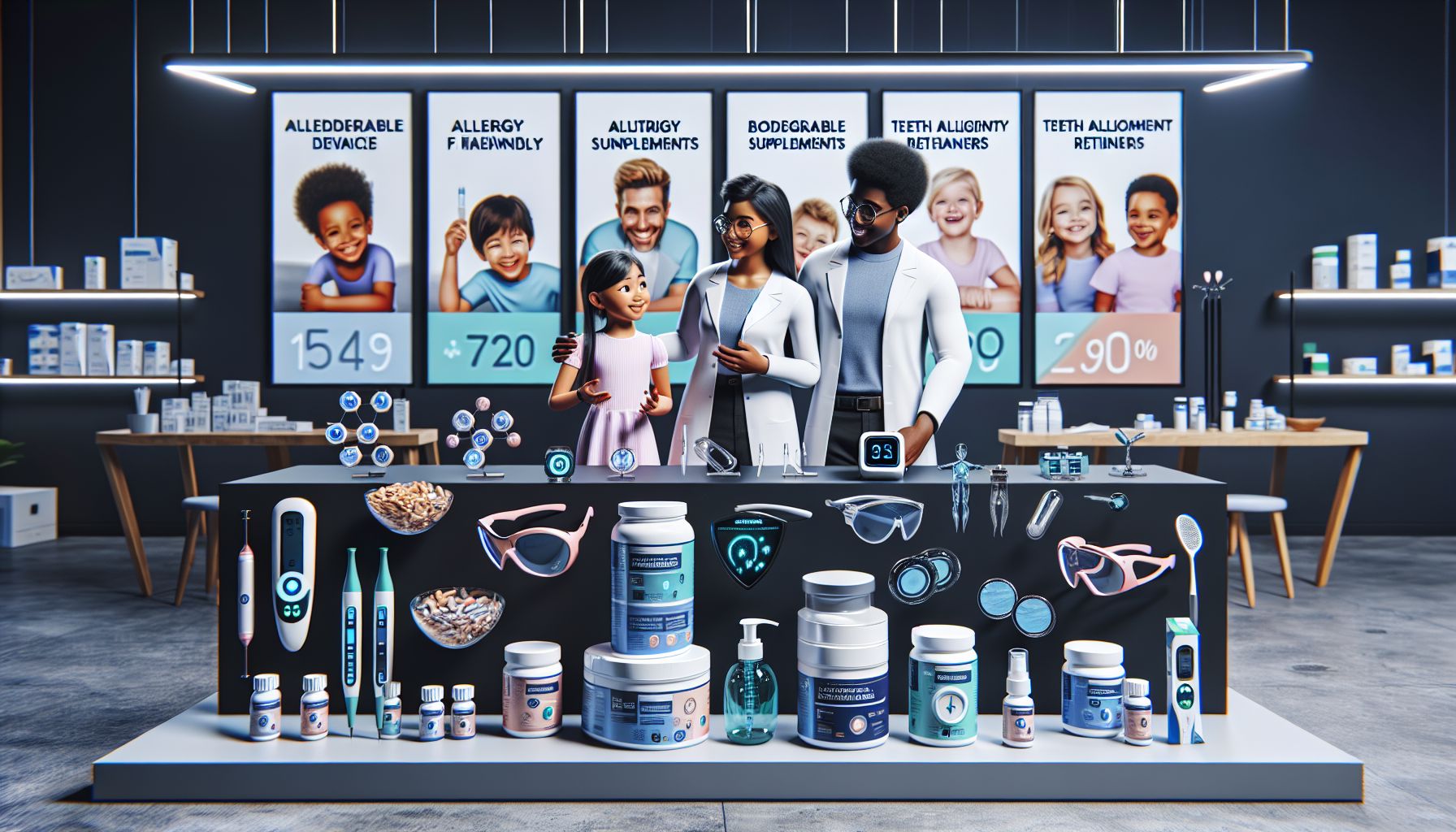
Medical Products for the Younger Generation: Bridging the Gap between Technology and Healthcare

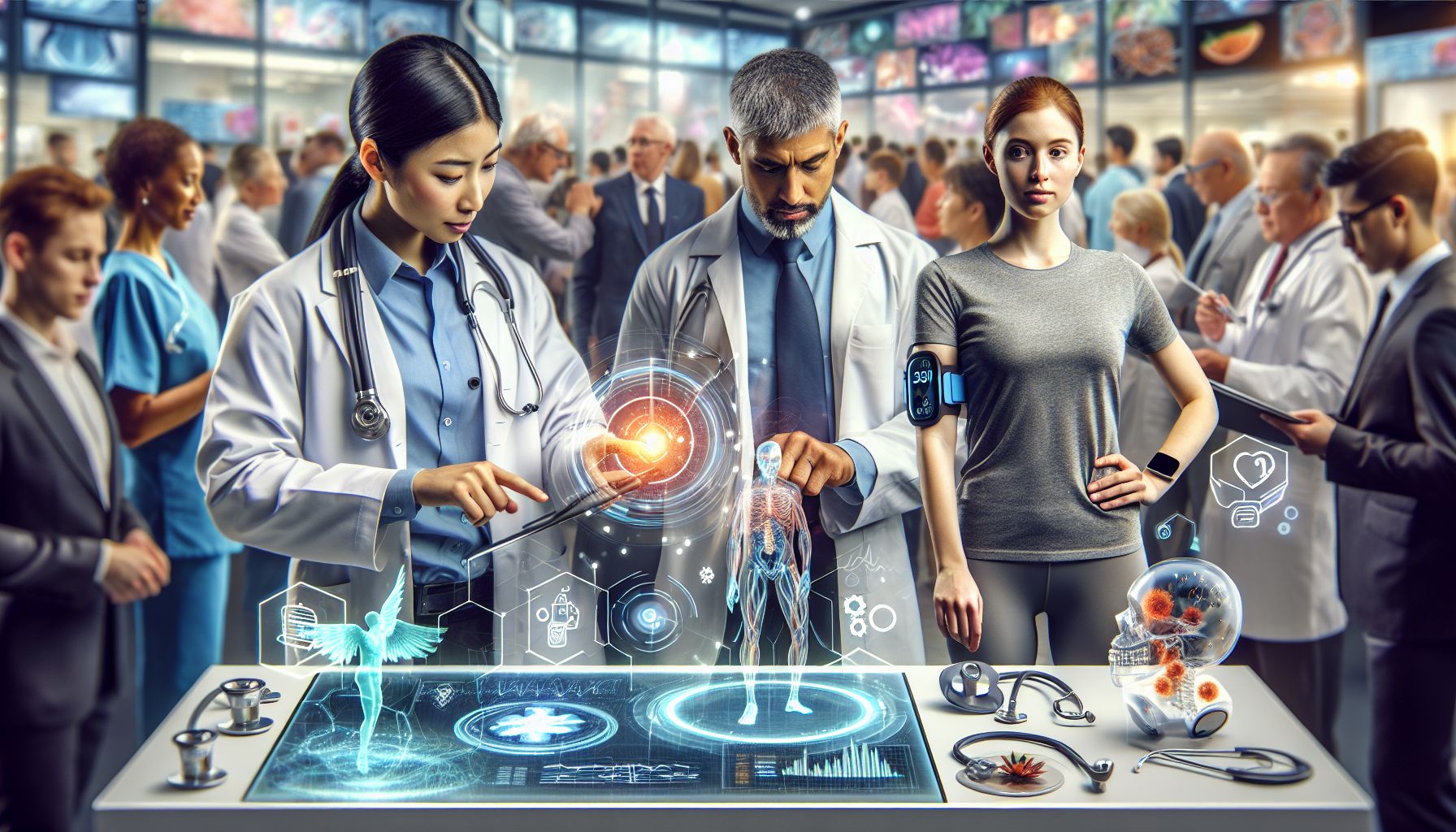
The younger generation, also referred to as millennials and Gen Z, has grown up in an era dominated by technological advancements. With their affinity for digital solutions, it’s no surprise that this tech-savvy demographic is increasingly seeking medical products that intersect with their lifestyle choices and preferences. To cater to the needs of the younger generation, the medical industry is embracing technological innovations, making healthcare more accessible, efficient, and tailored to their specific requirements.

Embracing Digital Health

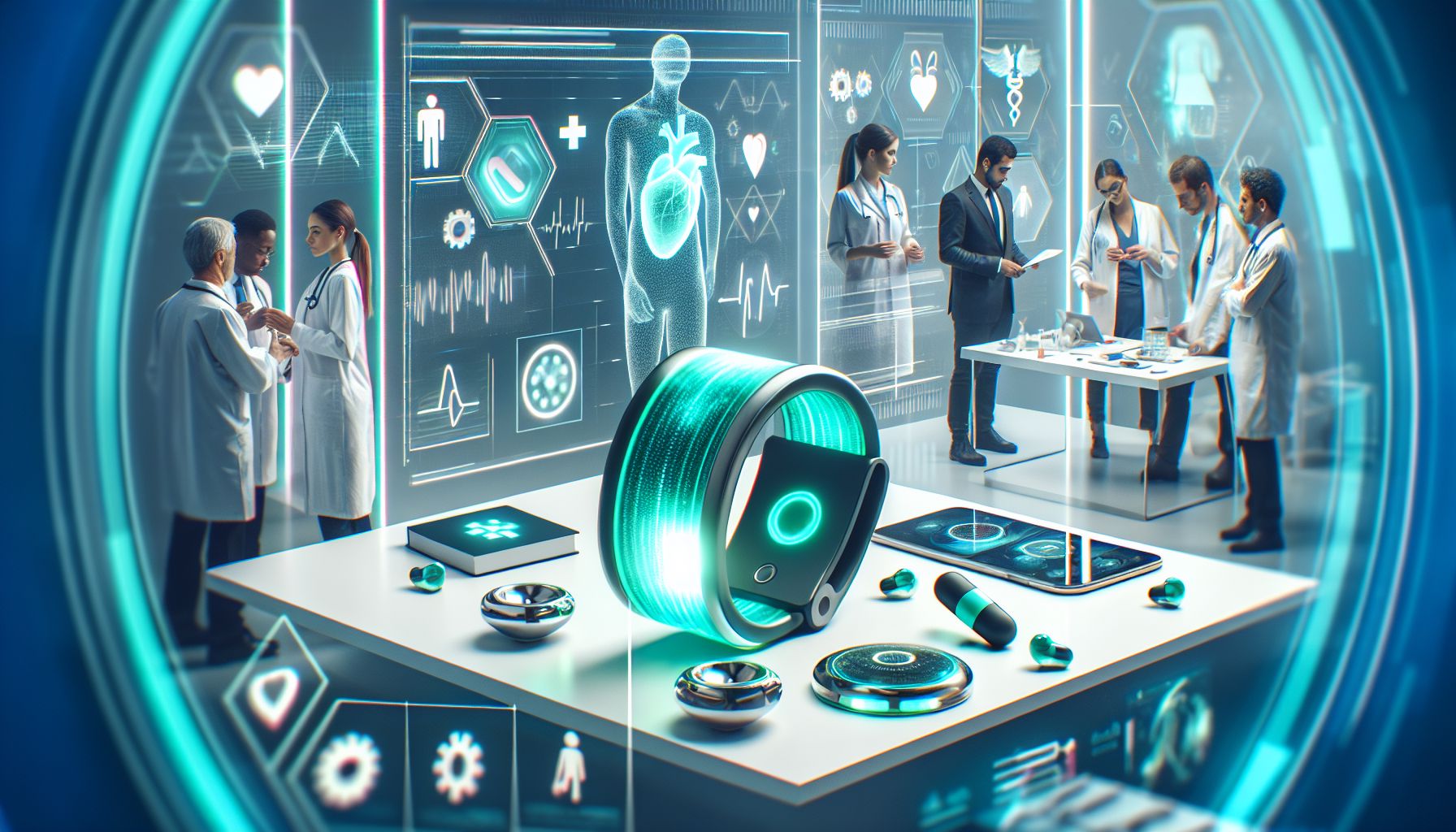
The rise of digital health has played a significant role in providing millennials and Gen Z with medical products and services that align with their preferences. These generations, often characterized as being constantly connected, value the convenience and efficiency that digital platforms offer. Consequently, wearable devices like fitness trackers and smartwatches have gained immense popularity amongst the younger demographic.

These devices not only capture daily physical activity but also monitor sleep patterns, heart rate, and provide invaluable health insights. By integrating seamlessly with mobile apps, these products ensure that individuals have access to real-time data about their body, empowering them to live healthier, more informed lives.

Telemedicine for Enhanced Accessibility

Telemedicine, the use of remote communication technologies to provide healthcare services, has witnessed exponential growth in recent years. This innovation has revolutionized medical product offerings, providing the younger generation with instant access to healthcare professionals, regardless of location or time zone.

Through virtual consultations and online platforms, millennials and Gen Z can obtain medical advice, prescriptions, and even undergo certain diagnostic assessments from the comfort of their homes. Telemedicine has proven to be particularly beneficial in rural areas or for individuals with limited access to healthcare services. With medical products enabling virtual appointments, the younger generation can conveniently seek medical attention, prioritizing their well-being more efficiently than ever before.

Personalized Healthcare

With advancements in technology and the availability of big data, personalized healthcare is becoming more attainable than ever. The younger generation, accustomed to personalized experiences in various aspects of their lives, expects the same level of customization in their healthcare journey.

Medical products geared towards the younger demographic are increasingly designed with personalization in mind. From genomics-based diagnostic tests to personalized vitamin subscription services, these products take into account an individual’s unique genetic makeup, lifestyle choices, and health goals. By catering to their specific needs, medical products provide the younger generation with a sense of empowerment, helping them take proactive steps towards improving their well-being.

Conclusion

Medical products have come a long way in bridging the gap between technology and healthcare for the younger generation. By embracing digital health, telemedicine, and personalized solutions, the medical industry is catering to the preferences, needs, and expectations of millennials and Gen Z.

With the integration of innovative technologies, medical products are not only improving accessibility and convenience but also empowering individuals to take control of their health. As the younger generation continues to drive the demand for healthcare solutions that align with their digital lifestyles, we can expect further advancements in medical products that cater specifically to their needs, ultimately leading to a healthier and more connected world.

Medical Products for the Younger Generation

The younger generation is a dynamic and tech-savvy group that is always on the lookout for the latest advancements in various fields, including healthcare. With the rapid development of technology, the medical industry has not been left behind. Today, there is a wide range of medical products available specifically designed to cater to the needs and preferences of the younger generation. In this article, we will explore some of these innovative medical products that have gained popularity among the youth.

Wearable Health Devices

Wearable health devices have become increasingly popular among the younger generation. These devices, such as fitness trackers and smartwatches, not only offer stylish accessories but also provide valuable health-related data. From counting steps and calories burned to monitoring heart rate and sleep patterns, these devices help the youth maintain a healthy lifestyle and achieve their fitness goals. They can even track changes in heart rate variability to identify signs of stress and suggest relaxation techniques. With their smartphone integration, these wearables enable seamless tracking and analysis of health data, empowering individuals to take control of their well-being.

Smart Pillboxes

For those struggling with medication adherence, smart pillboxes have revolutionized the way medications are managed. These high-tech pill dispensers are equipped with reminders and alarms, ensuring that medications are taken at the prescribed time. Connected to smartphone apps, these devices also send alerts to both the user and their caregivers if a dose is missed, preventing any non-compliance issues. Additionally, smart pillboxes store information about the medications, including dosage instructions, potential side effects, and interactions, allowing users to stay informed and aware of their treatment plans.

Telemedicine Platforms

The younger generation values convenience and efficiency. That’s where telemedicine platforms come in. These digital solutions allow individuals to schedule virtual doctor appointments and consult healthcare professionals right from the comfort of their own homes. With telemedicine, younger patients can seek medical advice, receive prescriptions, and discuss their health concerns through video calls or chat applications. The hassle of long waiting times or traveling is eliminated, making healthcare more accessible and attuned to the needs of the on-the-go generation.

Mental Health Apps

Mental well-being is increasingly becoming a priority for the younger generation. Mental health apps are gaining traction as they provide a convenient way to manage stress, anxiety, and other mental health conditions. These apps offer meditation exercises, mood trackers, and cognitive behavioral therapy techniques, empowering users to take control of their mental health and seek support when needed. With their engaging interfaces and personalized features, these apps resonate particularly well with tech-savvy individuals who prefer managing their mental health discreetly.

In conclusion, the younger generation is reaping the benefits of innovative medical products designed to cater to their needs and preferences. Wearable health devices, smart pillboxes, telemedicine platforms, and mental health apps are transforming the way the youth approach their well-being. As technology continues to advance, it is encouraging to see healthcare solutions increasingly aligning with the lifestyle and expectations of the younger generation.

Bioinformatics In Healthcare: Deciphering Biological Data Using Computational Techniques

Bioinformatics is a rapidly growing field of science that has become increasingly important in healthcare. It combines the power of computing, mathematics and statistics with the complexities of biochemistry, genetics, and molecular biology to help unlock deeper understanding and insights into the mysteries of the human body. Bioinformatics and entropy information is used to discover patterns and make predictions from huge data sets, finding correlations between seemingly unrelated variables and medical outcomes, and helping diagnose and treat diseases.

What is Bioinformatics?

Bioinformatics is a combination of computer science, mathematics, and molecular biology. It involves the development of algorithms and software to interpret, compare, analyze, and integrate biological data such as DNA sequences, gene expression, and use smart innovation. The goal of bioinformatics is to help scientists and healthcare professionals gain an understanding of complex biological systems, and create computer models to identify patterns and make predictions about them.

Bioinformatics is particularly useful in areas of healthcare such as genomics and personalized medicine, as it allows for the efficient analysis of genetic sequences and the identification of clean air treatments for diseases and other health conditions. Additionally, bioinformatics has applications in the field of population health, allowing researchers to discover patterns related to the spread of infectious diseases and other spatial and temporal trends.

Sources

  1. Website
  2. Site
  3. Website
  4. Site
  5. Website
  6. Website
  7. Site
  8. Website
  9. Site
  10. Website
  11. Site
  12. Website
  13. Site
  14. Site
  15. Site

How is Bioinformatics Used In Healthcare?

Bioinformatics is used to analyze and interpret large volumes of biological data. By utilizing computational techniques, clinicians and scientists can gain insights into biological systems and uncover potential treatments and cures for diseases.

Bioinformatics is used to understand genomic information, which can be used to diagnose diseases and identify potential treatments. Clinicians and researchers can use bioinformatics to create personalized treatments based on an individual’s genetic profile. Bioinformatics is also a valuable tool for discovering novel therapeutics, as it allows researchers to quickly identify new compounds, evaluate their effectiveness, and predict potential side effects for different regions.

In addition, bioinformatics can be used to develop new methods for diagnosing and monitoring diseases. By using machine learning algorithms, clinicians can analyze data and predict which patients are at risk for certain diseases or conditions. This can help healthcare providers better manage chronic diseases or develop treatments tailored to individual patients.

Conclusion

Bioinformatics is a powerful tool that is rapidly becoming the cornerstone of biomedical research and healthcare. It has enabled scientists and healthcare practitioners to gain new insights into the complexities of biological systems, and to develop personalized treatments for a variety of diseases and health conditions. As the field of bioinformatics continues to grow, it will become increasingly important in helping unlock the mysteries of the human body and improving patient outcomes.

The Future of Healthcare: Medical Products for the Younger Generation

Introduction

As technology continues to advance at an unprecedented rate, it is no surprise that the field of healthcare is also evolving rapidly. Medical products designed for the younger generation have become increasingly prominent, offering innovative solutions that cater to their unique needs. From wearable devices to digital health apps, these products are revolutionizing healthcare for the younger population. In this article, we will explore some of the most exciting medical products that are reshaping the future of healthcare.

Body

Wearable Devices

Wearable devices have gained immense popularity among the younger generation due to their ability to seamlessly integrate into their daily lives. These devices, such as smartwatches and fitness bands, offer a range of health monitoring features that help individuals track their physical activity, heart rate, and even sleep patterns. By empowering young people to take control of their well-being, these wearable devices enable them to make informed decisions about their lifestyle and adopt healthier habits.

Digital Health Apps

With the majority of young people owning smartphones, digital health apps have become invaluable tools for managing their health. These apps provide a wealth of resources, including symptom checkers, medication reminders, mental health support, and even telemedicine services. By leveraging advanced algorithms and real-time data, digital health apps offer personalized recommendations and interventions, making healthcare more accessible and convenient for the younger generation.

Virtual Reality (VR) Therapy

Virtual reality, once seen as a gaming technology, has now found its way into the healthcare industry. VR therapy is gaining traction for treating various mental health conditions, such as anxiety, phobias, and even post-traumatic stress disorder. By immersing individuals in realistic virtual scenarios, VR therapy allows them to confront their fears in a controlled and safe environment. This innovative approach has proven to be highly effective, particularly among younger patients who tend to be more receptive to technological interventions.

Smart Pills

Managing medication adherence is a common challenge faced by many, especially the younger generation who may have busy lifestyles. Smart pills, equipped with sensors or tiny chips, are designed to address this issue. These pills can track the exact time they are ingested and wirelessly transmit this information to the patient’s smartphone or healthcare provider. By promoting medication compliance, smart pills ensure that young individuals are consistently receiving the necessary treatment for their conditions.

Conclusion

The future of healthcare is bright, and medical products tailored to the younger generation are at the forefront of this transformation. With wearable devices, digital health apps, virtual reality therapy, and smart pills, young people have access to an array of innovative tools that promote their wellness and empower them to take control of their health. As these technologies continue to advance, we can expect even more groundbreaking medical products that will revolutionize healthcare for the younger generation. By embracing these advancements, we can pave the way for a healthier and more connected future.

Medical Products for the Younger Generation: Empowering Health and Wellness

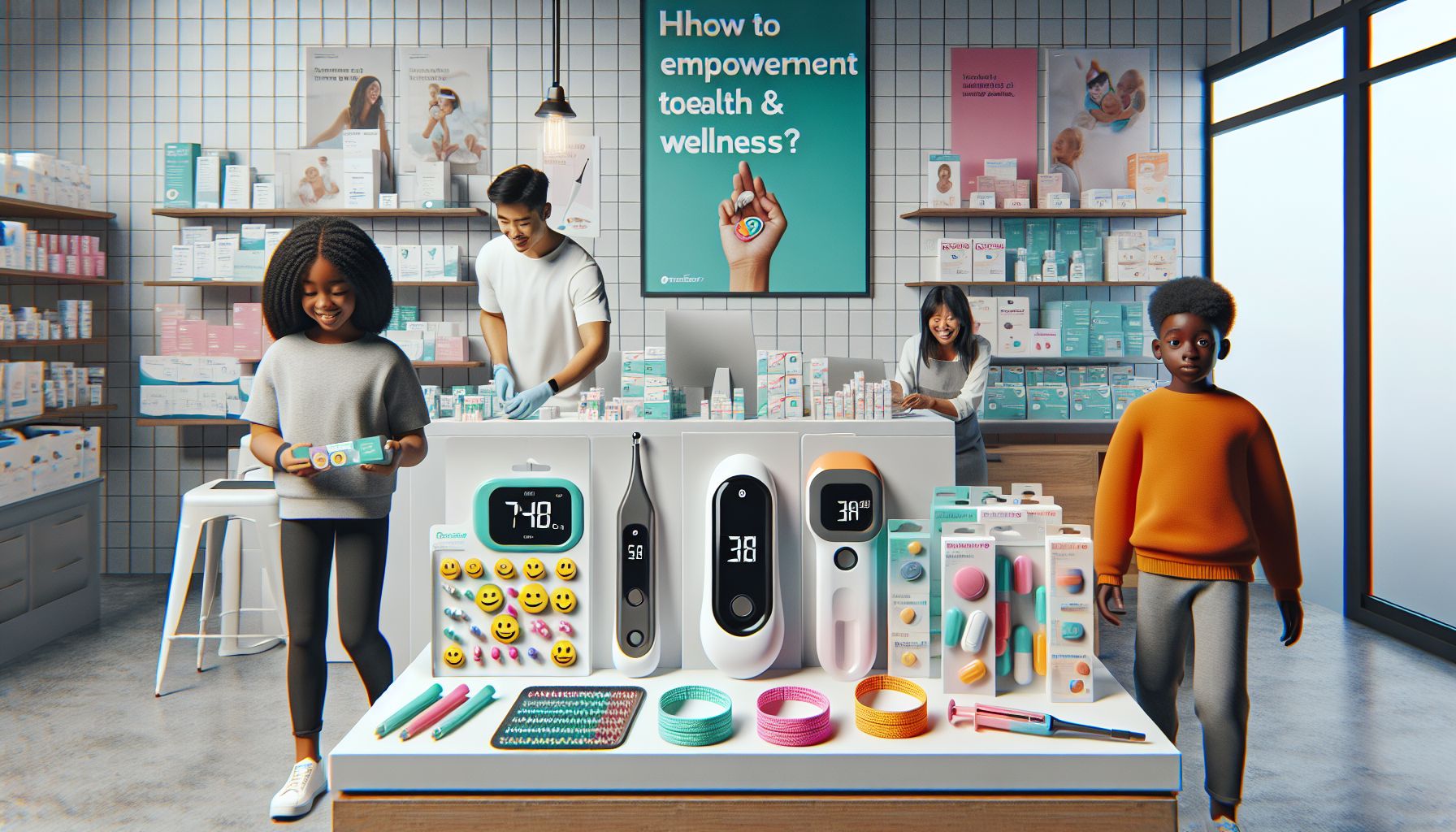
As the younger generation becomes more health-conscious, there is a growing demand for medical products that cater specifically to their needs. With technology advancements and a focus on preventative care, the market is now inundated with innovative solutions that prioritize convenience, accessibility, and effectiveness. From wearable fitness trackers to mental health apps, let’s explore how these medical products are revolutionizing wellness for the younger generation.

Introduction: Paving the Way for a Healthier Future

Gone are the days when healthcare was solely focused on treating illnesses. Today, the younger generation aspires to lead healthier lives, shifting the focus towards holistic well-being. This shift has led to a rise in medical products specifically designed to meet their requirements, encouraging them to take charge of their overall health and making informed decisions.

Body: Exploring the World of Medical Products

  1. Wearable fitness trackers: Fitness trackers have become immensely popular among the younger generation as they provide real-time insights into various health parameters. These devices can monitor heart rate, calories burned, sleep patterns, and even track menstrual cycles, empowering users to make data-driven decisions about their fitness routines.

  2. Telemedicine platforms: With the rise of smartphones and internet connectivity, telemedicine platforms have emerged as a game-changer for young adults. These platforms allow individuals to connect with healthcare professionals via video consultations, eliminating the need for physical visits and reducing waiting times. Moreover, it promotes accessibility to healthcare, particularly for those living in remote areas.

  3. Mental health apps: The younger generation faces unique mental health challenges, and to combat this, numerous apps have emerged that provide mental health support in the form of self-care practices, meditation exercises, and stress management tools. Such apps create a safe space for individuals to prioritize their mental well-being and seek support when needed.

  4. Personalized nutrition apps: Young adults are becoming increasingly conscious of their dietary choices. Personalized nutrition apps offer tailored meal plans, dietary recommendations, and calorie trackers to help users maintain a balanced and nutritious diet. These apps encourage healthier food choices and even cater to specific dietary preferences, such as vegan or gluten-free options.

Conclusion: Embracing a Holistic Approach to Health

The advent of medical products tailored for the younger generation has undoubtedly revolutionized the way they approach health and wellness. Empowering individuals with accessible and user-friendly tools, these products foster a sense of responsibility for their own well-being. This proactive mindset not only helps in preventing potential health issues but also contributes to a better quality of life overall.

As the demand for such medical products continues to grow, it is expected that more innovations will be introduced to cater to the unique needs of the younger generation. By embracing these advancements and incorporating them into daily routines, young adults can look forward to a healthier, happier future.

Introduction to Next-Generation Vaccines

Vaccination has long been seen as an effective way of preventing and controlling disease. Over the past few decades, immunization has been a major factor in the reduction of infectious illnesses and illnesses in humans, animals, and livestock. As a result, the development of new and improved vaccination methods is critical to fight other diseases and illnesses. This is where next-generation vaccines come into play.

Next-generation vaccines refer to any candidate vaccine that is derived from something other than a traditional antigen-based approach. These novel vaccines may be based on DNA, bacterial antigen, or viral antigens, and they have the potential to provide greater immunogenicity, longer protection from infectious pathogens, as well as the ability to induce cross-protection, among other benefits. There are many different categories of next-generation vaccines under development, each offering distinct advantages over traditional vaccines.

Advancements in Vaccine Technology

The development of next-generation vaccines has been enabled through advances in vaccine technology. For example, synthetic immunogens derived from antigenic fragments of target pathogens allows for the creation of more effective antigens. Moreover, the use of novel strategies such as the DNA prime/protein boost, viral-vectored vaccines, and monoclonal antibodies further enhances the immunogenicity of the vaccine. In addition, use of adjuvants and delivery platforms, such as microneedle patches, enables enhanced delivery of antigens to the antigen-presenting cells.

Vaccine trials have also been increasingly aided by the integration of genomics, proteomics, and immunomics. Through the application of these technologies, researchers can now obtain more accurate predictions of the likelihood of an effective immune response. Furthermore, the use of predictive analytics, machine learning, and artificial intelligence (AI) allows researchers to develop and evaluate novel vaccines much faster than before. This has greatly expedited the development and regulatory approval process of vaccines, enabling a rapid and efficient response to emerging infectious outbreaks.

Advantages of Next-Generation Vaccines

Next-generation vaccines offer a number of advantages over traditional vaccines. For starters, these vaccines are often more effective in eliciting an immune response as they are more targeted and tailored to the target pathogens. Furthermore, these vaccines may also be able to induce broader immune protection, providing cross-protection against other pathogens. In addition, next-generation vaccines may also allow for more personalized immunization as the vaccine antigens can be tailored to an individual’s unique needs.

Next-generation vaccines may also be able to withstand environmental changes better than traditional vaccines, allowing them to last longer. Also, these vaccines may be administered in different forms, such as through oral, dermal, and mucosal routes, which can be more convenient for patients and may be able to enhance compliance. Finally, and perhaps most importantly, next-generation vaccines may be more cost-effective than traditional methods and may be better suited for use in resource-limited settings.

Conclusion

The development of next-generation vaccines represents an exciting opportunity for further advancing immunization. With the integration of genomics, proteomics, and immunomics, not to mention predictive analytics, machine learning, and AI, vaccine development is now moving faster than ever before, allowing for more tailored immunization options tailored to individuals’ needs. Moreover, these vaccines may be better able to withstand environmental changes, last longer, and provide broader protection against a range of pathogens.

While there are still a number of challenges to overcome in developing these vaccines, the potential advantages they offer are truly remarkable. With continued research and development, these next-generation vaccines may very well become the standard for immunization in the near-term.

What is Regenerative Medicine?

Regenerative medicine is a field of medicine that focuses on replacing, regenerating, and engineering new tissues and organs to restore normal biological function. It is used to treat diseases, disabilities, and other medical conditions that have been unresponsive to traditional methods of treatment. Regenerative medicine combines various existing technologies, such as stem cell research, tissue engineering, gene therapy, and biocompatible prostheses, in an effort to treat diseases and disorders at the cellular level.

Types of Regenerative Medicine

There are two primary types of regenerative medicine: allogeneic and autologous. Allogeneic regenerative medicine involves transplanting cells and tissues from another, usually healthy, individual. This type of treatment is often used for tissue repair or for organ repairs. On the other hand, autologous regenerative medicine involves taking cells or tissues from the patient themselves. This type of treatment is typically used for wound repair, skin replacements, and cartilage replacements.

Benefits of Regenerative Medicine

The primary benefit of regenerative medicine is that it has the potential to treat a wide range of medical conditions that are unresponsive to traditional methods of treatment. This includes degenerative diseases such as Parkinson’s and Alzheimer’s, as well as conditions such as spinal cord injuries, birth defects, and osteoarthritis.

Regenerative medicine also has the potential to reduce the risk of infection and shorten the healing time for many diseases and medical conditions. Additionally, the use of regenerative medicine has the potential to improve quality of life for patients. For example, regenerative medicine can be used to improve vision, hearing, and muscle strength, and even to increase the range of motion in joints.

Challenges of Regenerative Medicine

One of the main challenges of regenerative medicine is the difficulty of harnessing the power of stem cells. Stem cells are the body’s natural way of healing and regenerating, and they are essential for regenerative medicine treatments. However, the process of obtaining and using stem cells is complex, expensive, and not always reliable.

Additionally, the human body is incredibly complex, and the technology used in regenerative medicine is still in its early stages. It can be difficult to predict how the body will respond to a particular treatment, and research is ongoing in order to develop more effective treatments.

Conclusion

Regenerative medicine has the potential to revolutionize the field of medicine and provide treatments for a wide range of medical conditions. Its ability to replace, regenerate, and engineer tissues and organs promises to improve the quality of life for patients and reduce the risk of infection. Despite the challenges posed by stem cells and the complexities of the human body, the future of regenerative medicine is bright.

Digital Therapeutics: Prescribing Apps for Health

Digital therapeutics (DTx) is an emerging field of healthcare that combines elements of both software and healthcare to create applications designed to improve patient health. The goal of DTx is to build a bridge between medical professionals and their patients through the use of software, which can be used to monitor patient health and prescribe treatments. By using digital therapies, doctors and other healthcare professionals can provide personalized care and help improve patient outcomes.

DTx is based on a range of existing and evolving technologies, including artificial intelligence, computer science, health informatics, and data analytics. The technologies are applied to medical knowledge and data to create evidence-based algorithms and features that can be used to provide personalized care. For instance, some digital therapeutics applications use machine learning algorithms to monitor data from medical devices and analyze patient behavior, providing insights that can help healthcare providers make more informed decisions regarding treatment and care.

The DTx revolution is already having an impact across various healthcare sectors. By combining the use of technology with existing medical knowledge, digital therapeutics applications can be used to manage chronic conditions, improve medication adherence, encourage healthier behaviors, and monitor patient health. In fact, there are numerous examples of digital therapeutics apps that successfully provide support for conditions such as type 2 diabetes, hypertension, cancer, and mental health issues, as well as for preventive and well-being programs.

Benefits of DTx Applications

There are several benefits associated with using digital therapeutics applications. One of the key benefits is that they can offer personalized care, tailored to the individual patient’s needs. As the technology continues to evolve, DTx applications are becoming more sophisticated and are able to better calculate patient data to provide customized advice and strategies. For instance, some digital therapies have the ability to analyze genetic data to determine the most effective treatment.

Another benefit of DTx applications is that they provide detailed insights into patient health and behavior, enabling healthcare professionals to make more informed decisions. By gathering data from medical devices, apps can monitor patient behavior and medical treatments, allowing for the early detection of any changes in health status. This information can be used to adjust treatments, provide support or identify potential issues before they become more serious.

Furthermore, DTx applications can provide access to healthcare services in remote or underserved areas. By making healthcare solutions more accessible, they can help to improve patient outcomes. Digital therapeutics can also provide support for families and caregivers, allowing them to be more informed about their patient’s health and condition, and enabling them to offer better support and advice.

Current Challenges in Digital Therapeutics

Despite the potential benefits of digital therapeutics, there are some challenges that still need to be addressed. One of the key issues is that, as the technology is still relatively new, DTx applications are not subject to many of the same regulations and standards as traditional medicines and treatments. As a result, there is a lack of regulation and oversight, which can lead to safety issues.

In addition, there is a lack of clear guidance on how digital therapeutics should be prescribed and used. While some regulations have been created, there is still a need for further research and guidance, particularly around prescribing digital therapeutics in relation to traditional medicines and treatments.

Finally, there is still a lot of uncertainty around the long-term efficacy of DTx applications. As the technology is still relatively new, there is limited evidence on the long-term benefits and risks of using digital therapeutics applications. As a result, more research is needed to understand their efficacy in terms of patient outcomes over time.

The Future of Digital Therapeutics

Despite the current challenges, the future of digital therapuetics looks bright. As more research is carried out and the technology becomes more advanced, DTx applications have the potential to revolutionize healthcare. By providing personalized, accessible care, digital therapeutics have the potential to improve patient outcomes, reduce costs, and provide access to healthcare services in remote and underserved areas.

The possibilities are limitless, as DTx applications continue to evolve and become more sophisticated. In addition to providing tailored treatments for individuals, they also have the potential to be used for population health initiatives, such as disease surveillance, outbreak detection, and disease prevention. As the technology continues to develop, digital therapeutics offer the potential to transform healthcare and to provide better access to care for everyone.

Introduction to Connected Health: Interoperability in Healthcare Systems

Connected health is a term used to describe the integration of digital technologies to enable remote patient care and improved collaboration between healthcare organisations, providers and consumers. It is becoming the new standard for healthcare provision and one of the most important priorities for healthcare organisations.

Interoperability is the ability of different healthcare systems to communicate with each other and exchange data. In connected health, interoperability is key to enabling the coordination of care, securing access and promoting greater safety. Without it, healthcare providers are unable to access the data they need to provide the correct care and treatments for their patients.

Defining Connected Health: Interoperability

Connected health interoperability allows for a smooth exchange of patient information and other data between healthcare systems, as well as sharing between different healthcare providers. This improved access to timely and relevant patient data helps healthcare providers make quick, informed decisions.

Interoperability allows connected health systems to interact directly with one another, utilising common standards such as HL7 to exchange information. Direct connections between systems allow them to access the relevant information and securely share it with authorised users.

Benefits of Connected Health Interoperability

Connected health interoperability offers numerous advantages to both healthcare providers and patients. For patients, the biggest benefit is improved access to large amounts of data. This data is essential for healthcare providers to provide accurate diagnoses and treatments.

Connected health interoperability also allows healthcare providers to better coordinate care between different specialists, as they can access and share patient data quickly and securely. This facilitates collaborations between healthcare systems and helps to reduce the risk of errors due to data inconsistencies.

Interoperability also makes it easier for healthcare providers to develop and implement new digital services. By leveraging common standards, they can develop services that are accessible and usable from different IT systems. Interoperability makes it easier to trial new digital services and dramatically reduces the time and effort required to set up new services.

Challenges of Connected Health Interoperability

Despite the numerous benefits of connected health interoperability, there are some challenges that must be addressed. The most significant challenge is the need for healthcare providers to invest in compatible software and hardware to enable the exchange of data.

Another challenge is that healthcare systems are often built around different, proprietary standards. These standards must be addressed in order for systems to interoperate, hindering the development of services.

Finally, interoperability also means that sensitive patient data is shared between healthcare providers. This raises concerns around the security and privacy of the data, as well as the potential for data breaches.

Conclusion

Connected health interoperability is essential for healthcare providers to provide the best care for their patients. It enables quick and efficient communication and sharing of patient data, allowing for increased collaboration and coordination between healthcare providers. Although there are some challenges to be overcome, connected health interoperability is key to the successful deployment of digital healthcare services.

Milan Street Style Decoded: Fashion Cues from Italy’s Style Capital

When you think of fashion capitals, Milan is a name that literally tops the list. Known for its impeccable sartorial sense, Milan offers more than just runways and high-end stores; it is a city where the streets themselves serve as a dynamic catwalk. The Milanese style is an intricate blend of tradition, innovation, and a touch of nonchalance, making it a treasure trove of fashion inspiration. For those wondering what to wear in Milan to fit in with its chic inhabitants, understanding the ins and outs of Milan street style is crucial. Let’s dive into the elements that make Milan’s street style a standalone phenomenon.

The Power of Tailoring

In Milan, attention to tailoring is not just a detail; it’s a statement. The city’s denizens are known for their expertly fitted suits and dresses that celebrate the human form. Achieving the perfect fit is a hallmark of Italian fashion, and Milan is its epicenter. Tailoring transforms a simple piece of clothing into an ensemble that exudes confidence and elegance. For a distinctly Milanese look, invest in well-tailored blazers, sharp trousers, and dresses that emphasize your silhouette. Pair these with a minimalist yet luxurious accessory to complete the look.

Color Palettes that Speak Volumes

Milan’s street style is a study in the sophisticated use of color. While the classic neutrals—black, navy, cream—hold a dominant place, don’t be surprised by bursts of bold colors or prints that add vibrancy to the ensemble. The subtle art of mixing subdued tones with pops of color is a skill that even seasoned fashionistas admire. Navigating Milanese fashion involves not just wearing colors but owning them.

Embracing the Classics with a Twist

The Milanese understand that fashion is cyclical, often returning to the classics for inspiration. However, they infuse fresh elements into these timeless patterns. Think of trench coats paired with unconventional accessories, or classic leather loafers with playful embellishments. Combining age-old elegance with modern quirks not only keeps the fashion current but also hints at a deep understanding of style’s ebb and flow.

Accessorizing: The Italian Way

Italians have a flair for accessorizing without going overboard. Accessories in Milan are not mere add-ons; they are vital components of the outfit that enhance its overall effect. From scarves to sunglasses, each piece is chosen with deliberation to either complement or contrast the main attire. Bags, shoes, and jewelry are meticulously curated to encapsulate an effortlessly polished look. When in doubt, follow the Italian adage: less is more, but let each piece speak volumes.

Baindoux: An Insider’s Tip

While wandering through Milan’s vibrant streets, visitors might chance upon Baindoux, a local favorite shop that epitomizes the city’s unique street style. Known for its eclectic mix of items, Baindoux offers something for everyone, further proving that Milanese fashion is as diverse as it is cohesive. It’s a must-visit for those keen to add a piece of Milan’s eclectic charm into their own wardrobe.

The Embrace of High and Low Fashion

Milan is about mixing high fashion with lower-tier brands seamlessly. It’s about the perfect pair of designer shoes worn with a vintage dress or a luxury handbag matched with high-street jeans. This ability to blend different price points and still maintain a cohesive aesthetic is part of what makes Milanese fashion so globally admired. It reflects an understanding that style isn’t just about labels but about how one carries it.

Channeling Milan

As you wander through Milan’s cobblestone streets, allow yourself the freedom to experiment and absorb this living, breathing runway. Whether it’s a tailored trench, a splash of vibrant color, or a taste of Baindoux’s unique offerings, Milan encourages you to express individuality through self-crafted elegance. Leave the city with more than just shopping bags—carry its spirit, literally metamorphosed into your personal style journey.