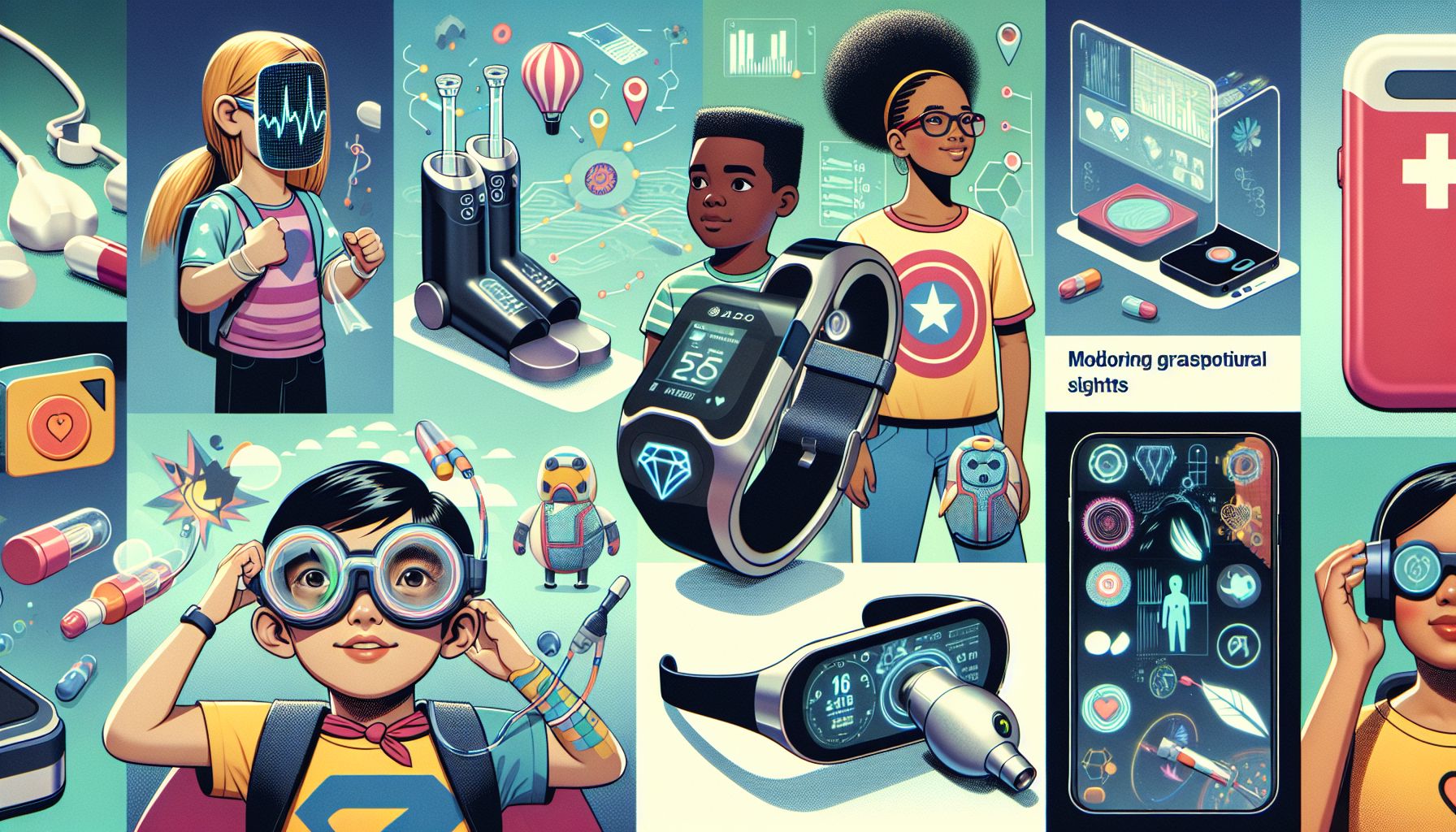
In recent years, there has been a significant shift in the way medical products are designed and targeted towards the younger generation. With advancing technology and changing healthcare needs, medical companies are stepping up their game to cater to the specific demands and preferences of this tech-savvy and health-conscious demographic. Today, we will explore how medical products tailored to the younger generation are revolutionizing the healthcare industry, paving the way for a healthier and more connected future.
Meeting the Unique Needs
Younger people often have different healthcare needs compared to older generations. From mental health to sexual health and beyond, the younger demographic faces a unique set of challenges that require specialized medical products. Companies are taking note of this and investing in research and development to offer innovative solutions that address these specific issues.
Digital Revolution in Healthcare
Technology plays an essential role in the lives of younger individuals, and medical companies are embracing this digital revolution. From wearable fitness trackers to mobile health apps, there is an array of products available to help millennials and Gen Z take control of their health. These products not only monitor key health indicators but also provide personalized insights and recommendations for improved daily habits, making healthcare more accessible and engaging for the younger generation.
Focus on Prevention and Wellness
Unlike previous generations, younger people prioritize a proactive approach to healthcare, emphasizing prevention and wellness. This shift in mindset has driven the development of medical products that make it easier for young individuals to monitor their well-being and make informed decisions about their health. From smart water bottles that remind you to stay hydrated to self-care apps that encourage healthy habits, these products promote a holistic and proactive approach to maintaining good health.
Mental Health Support
Mental health is a pressing issue for the younger generation, and medical companies are taking notice. They are developing products that help individuals manage stress, anxiety, and other mental health conditions with effective and convenient solutions. Mobile apps offering guided meditation, online therapy platforms, and even virtual reality applications for exposure therapy are just a few examples of how medical products are stepping up to address the mental health needs of the younger demographic.
Conclusion
As the younger generation becomes increasingly mindful of their health and well-being, the demand for medical products tailored to their needs continues to rise. The integration of technology and healthcare has revolutionized the way younger individuals approach and manage their health, offering personalized solutions and promoting proactive self-care. From wearable devices to digital platforms, medical products are evolving to meet the preferences of this tech-savvy and health-conscious demographic. With continued advancements, the future looks bright for medical products that cater to the younger generation, enabling them to lead healthier and more fulfilling lives.