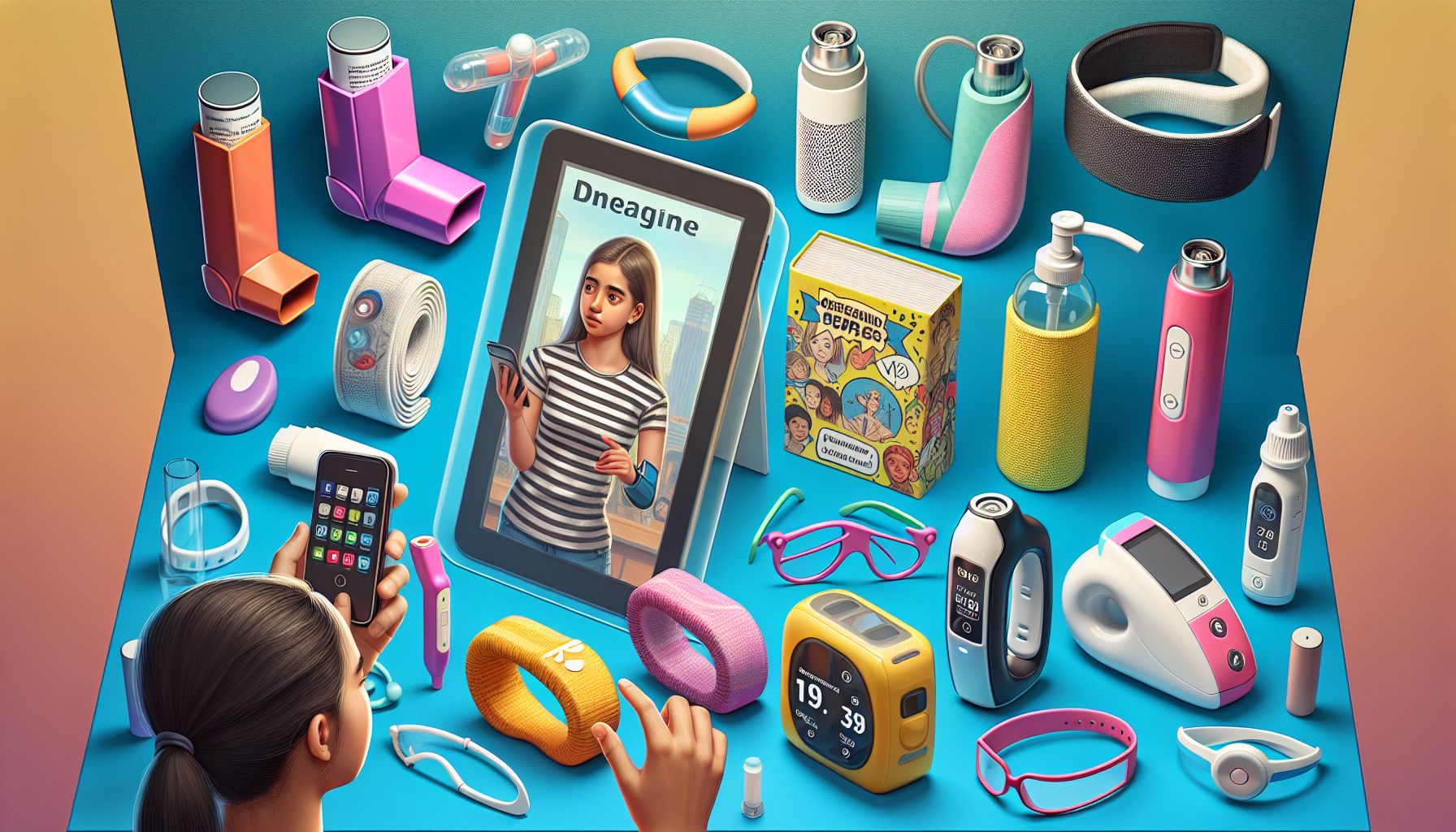
In today’s fast-paced world, young adults are constantly on the go, juggling work, social life, and personal responsibilities. With the rise of technology and innovation, the healthcare industry has also adapted to cater to the needs of the younger generation. From wearable devices to telemedicine services, there are a variety of modern medical products that are revolutionizing the way young adults approach their health and well-being.
One key product that has gained popularity among the younger generation is wearable fitness trackers. These devices are designed to monitor physical activity, sleep patterns, heart rate, and even stress levels. With the rise of fitness culture, young adults are increasingly interested in tracking their progress and setting goals to improve their overall health. Fitness trackers provide real-time feedback and insights that can help individuals make informed decisions about their lifestyle choices.
Another important medical product for the younger generation is telemedicine services. With busy schedules and limited time for doctor’s appointments, young adults are turning to virtual consultations as a convenient and cost-effective way to address their health concerns. Telemedicine allows patients to connect with healthcare providers through video calls, chat platforms, or phone calls, eliminating the need for in-person visits. This not only saves time but also reduces the barriers to accessing healthcare for those who may live in remote areas or have transportation challenges.
Additionally, personalized medicine is becoming more prevalent in the healthcare industry, especially among the younger generation. With advancements in genetic testing and data analytics, healthcare providers can offer individualized treatment plans and recommendations based on a person’s unique genetic makeup. This targeted approach to healthcare allows for more precise diagnosis and treatment options, ultimately improving patient outcomes and overall satisfaction with their care.
Furthermore, mental health apps and online therapy platforms are gaining traction among young adults who are seeking support for anxiety, depression, and other mental health conditions. These digital tools provide a convenient and discreet way to access therapy sessions, mindfulness exercises, and self-help resources from the comfort of home. With the stigma surrounding mental health slowly dissipating, more young adults are turning to technology to prioritize their emotional well-being and seek professional help when needed.
In conclusion, the healthcare industry is evolving to meet the needs of the younger generation by providing modern medical products that cater to their busy lifestyles and preference for convenience. From wearable fitness trackers to telemedicine services, personalized medicine, and mental health apps, there are a variety of innovative tools available to help young adults take control of their health and well-being. By embracing these advancements, the younger generation can proactively manage their health and make informed decisions to lead a healthier and happier life.